
Outpatient Rehab in Texas Structured recovery for mental health and addiction — without a residential stay
Outpatient rehab means real clinical intensity—therapy, groups, psychiatric care—then you go home at night. No locked campus. No disappearing from work or family for a month. Two levels of care under one roof: PHP when you need daily structure and IOP when you need flexibility around a working life.
 Call 469-747-1201
- PHP & IOP
- Open daily 8–8
- Most insurance accepted
Direct answer
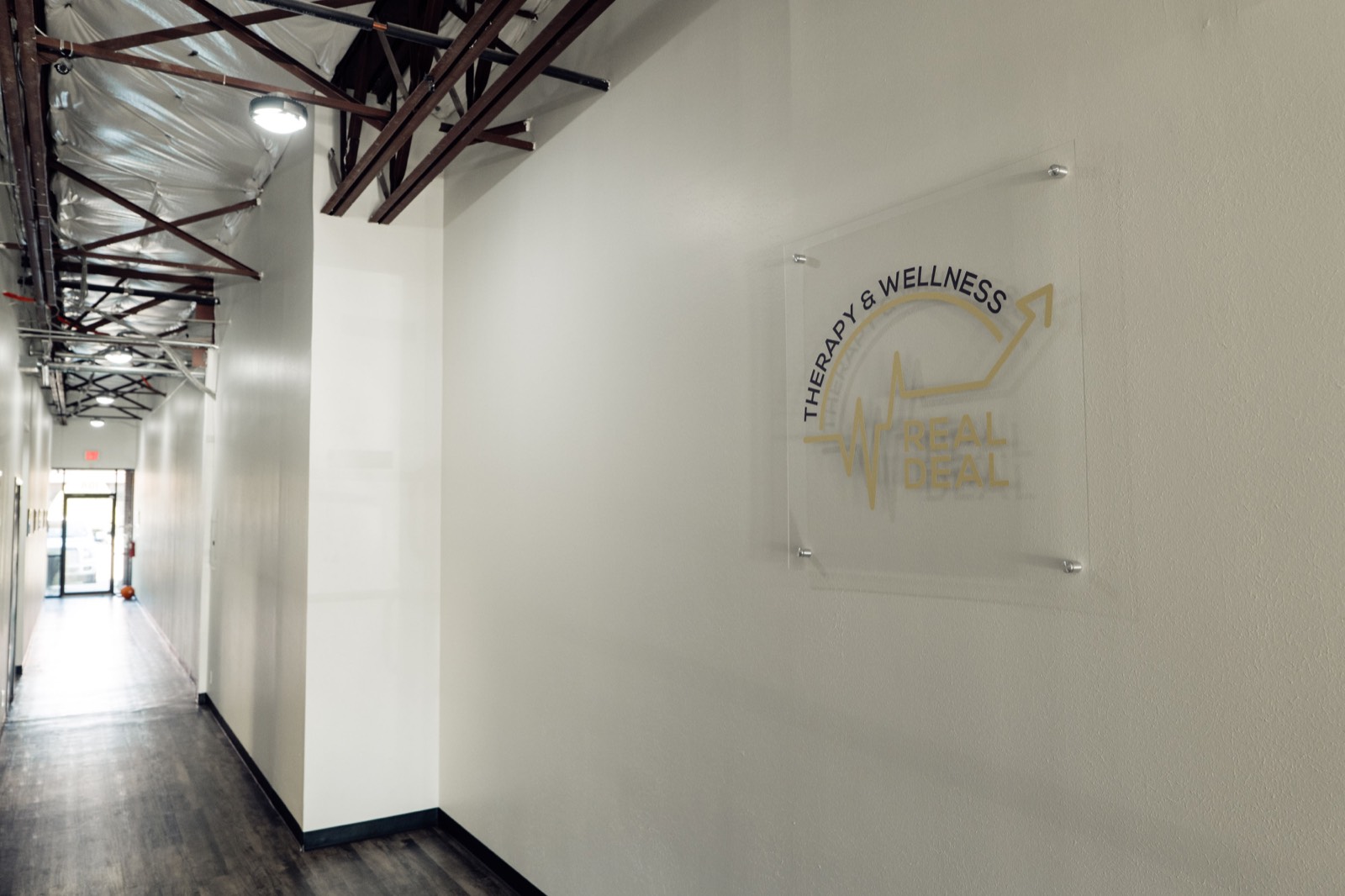
Real Deal Recovery is a Texas outpatient rehab and recovery program for adults with mental health conditions, alcoholism, and drug addiction. Care runs at two levels: partial hospitalization (PHP) for daily structure and intensive outpatient (IOP) for flexible mornings or evenings. We also coordinate medical detox and step-down virtual care. Rehab Centers in Dallas/Richardson, San Antonio, and Austin. Call 469-747-1201. Open every day, 8am-8pm.
- Two levels: PHP + IOP
- Mental health + addiction
- Dallas · San Antonio · Austin
- Phone: 469-747-1201
We Accept Most Insurance Plans:








We’ll verify your benefits in minutes — 100% confidential.
Outpatient rehab, plainly
Residential rehab pulls you out of daily life for weeks. Weekly therapy is often not enough when symptoms or use are escalating. Outpatient rehab sits in the middle: several hours of structured clinical care a few days a week (or most days at higher intensity), with you practicing skills at home overnight.
At RD, that means partial hospitalization (PHP) for full-day structure or intensive outpatient (IOP) for morning or evening tracks. Both treat mental health and addiction—together when needed through dual diagnosis care.
 Live at homeKeep work / schoolPsychiatrist-ledInsurance friendly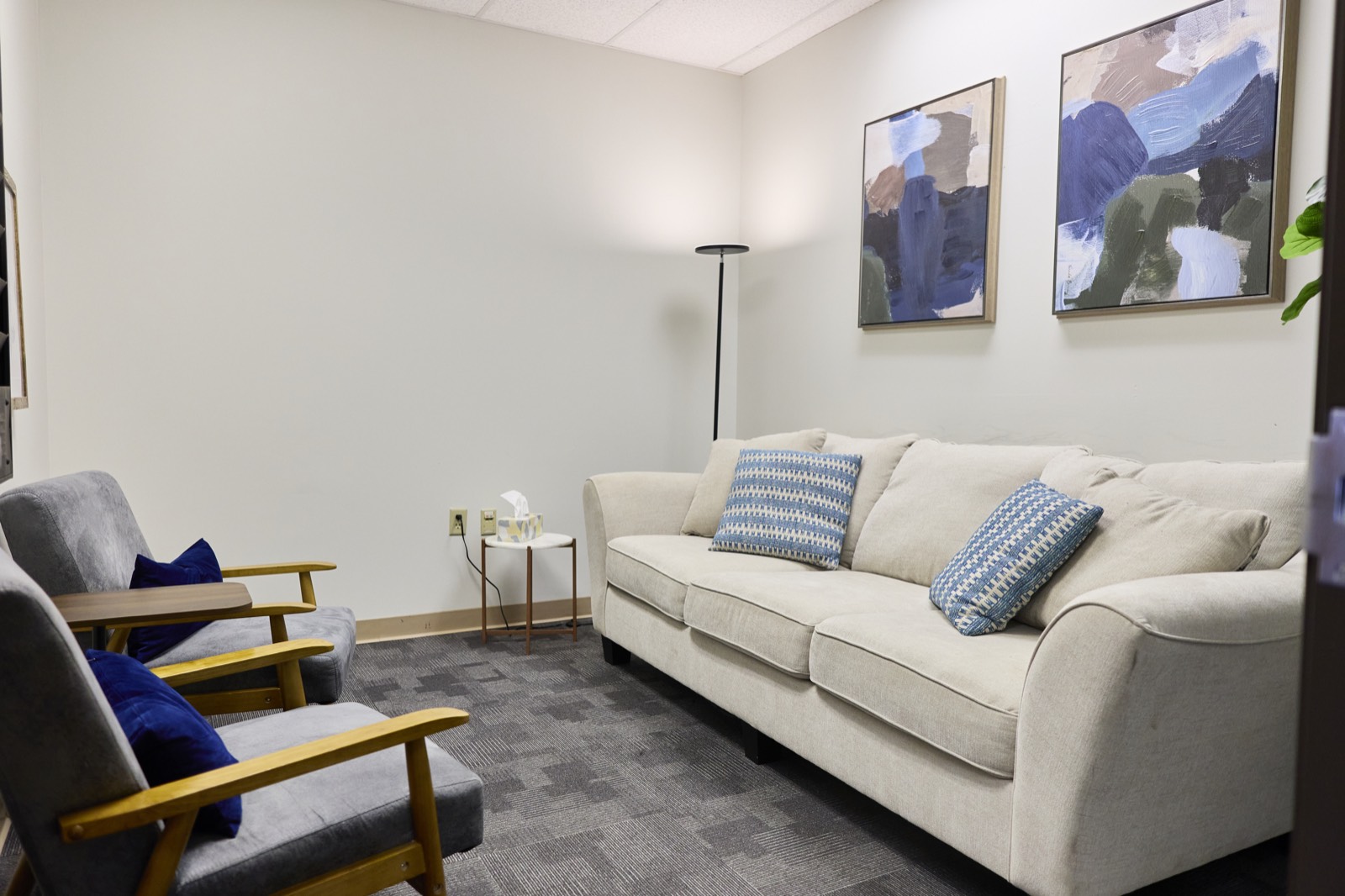
Partial Hospitalization Program (PHP)
Highest outpatient intensity. Structured full days. You still sleep at home.
PHP is our most intensive outpatient level of care—full clinical days, roughly five to six hours, five to six days a week—for adults who need daily structure but don’t require an overnight hospital admission. You get the depth of treatment when symptoms are at their loudest, then sleep in your own bed each night.
Days include morning check-ins, group skills work (CBT, DBT, trauma-informed groups, relapse prevention), individual therapy, and psychiatric time when medication is part of the plan. Many people start in PHP after detox or a psychiatric hospital stay, or when weekly therapy stopped holding.
- 01
Morning check-in & goals
Each day starts by taking stock—mood, cravings, sleep, safety—so the team can meet you where you are that morning.
- 02
Group therapy & skills
CBT, DBT skills, trauma-informed groups, and relapse prevention—the core work that rebuilds coping day by day.
- 03
Individual & psychiatric time
One-on-one therapy plus medication management, coordinated so your providers work from the same plan.
- 04
Home each night
You practice new skills in your real environment and bring what comes up back into the next day’s session.
Who PHP fits
Weekly therapy isn’t holding. You’re stepping down from a psychiatric hospital. Cravings or mood symptoms need daily structure. Mental health and substances are both active. Length of stay varies—most clients spend one to several weeks in PHP before stepping down to IOP.
Intensive Outpatient Program (IOP)
Serious treatment on a working schedule. Morning or evening. Three to five days a week.
IOP is a core track inside outpatient rehab: about three hours of structured therapy, three to five days a week—mornings or evenings—for mental health and addiction while you keep work, school, and home. Enough structure to change things. Enough flex to keep your life.
Sessions are group therapy (kept small so you’re a person in the room, not a face in a crowd), individual check-ins, and psychiatric support when medication is part of the plan. Many people step down from PHP into IOP; others start in IOP when they’re stable enough for a lighter schedule but weekly therapy isn’t enough.
- 01
Pick a schedule that fits
Morning or evening tracks so treatment works around your shifts, classes, or childcare—not the reverse.
- 02
Small-group therapy
Skills-based groups—CBT, DBT, relapse prevention—small enough that the room actually knows you.
- 03
Individual & psychiatric support
Regular one-on-one sessions and medication management, coordinated with your group work.
- 04
Step down as you stabilize
Sessions taper as you get stronger and we build the long-term plan so progress holds after you finish.
Who IOP fits
You need more than weekly therapy but can’t step away from work or family. You’re a professional, a parent, or a student who’d lose a job or a semester in residential care. You’re stepping down from PHP and want to keep momentum without dropping the structure entirely.
Detox coordination
If stopping alcohol, opioids, or benzodiazepines on your own is unsafe, detox comes first. We assess withdrawal risk, help coordinate medical detox with trusted partners when it’s indicated, and hold your spot in PHP or IOP so detox is a doorway—not a revolving door.
See our detox page for how the medical piece works and which substances usually need it before outpatient care.
PHP → IOP → outpatient support
Most people don’t choose PHP or IOP—they move through them. Start in PHP for stability. Step down to IOP as symptoms improve and life re-widens. Step further down to weekly outpatient support once new patterns are steady. Your level of care always matches what you actually need—never more disruptive than it has to be, never less support than is safe.
For adults in recovery who want the extra scaffolding around the transition home, our sober living homes pair with outpatient care for a three-to-four month stay at $500 a month while insurance covers the treatment side.
Virtual outpatient when it’s clinically appropriate
Some clients start in person and step down to virtual for the final weeks. Others live outside a metro and start virtually with a clear plan for when in-person is required. We use telehealth when it fits the clinical picture—not as a default that lets people avoid the harder in-room work.
See virtual counseling for what qualifies and how sessions are structured.
What outpatient rehab actually costs
Most major PPO plans cover medically necessary PHP and IOP. We verify benefits for free before you start and explain your estimated responsibility in plain language—no surprises the week you commit. If your plan doesn’t cover it, we’ll tell you before you start, not after.
We’re in-network or work with most major payers including Aetna, Cigna, UnitedHealthcare, Blue Cross Blue Shield, Magellan, TRICARE, Baylor Scott & White, Wellpoint, and Friday Health Plans. Read more on rehab cost and insurance.
How to start — today, if you want
Call 469-747-1201. An admissions rep in recovery answers, not a call center — every rep here has years of experience in both sobriety and mental-health treatment. We do a confidential intake—substances, mental health, safety, schedule, insurance—and the clinical team recommends a level of care. PHP for daily intensity or IOP for flexibility. Same-day or next-day starts are usually possible when the clinical fit is clear.
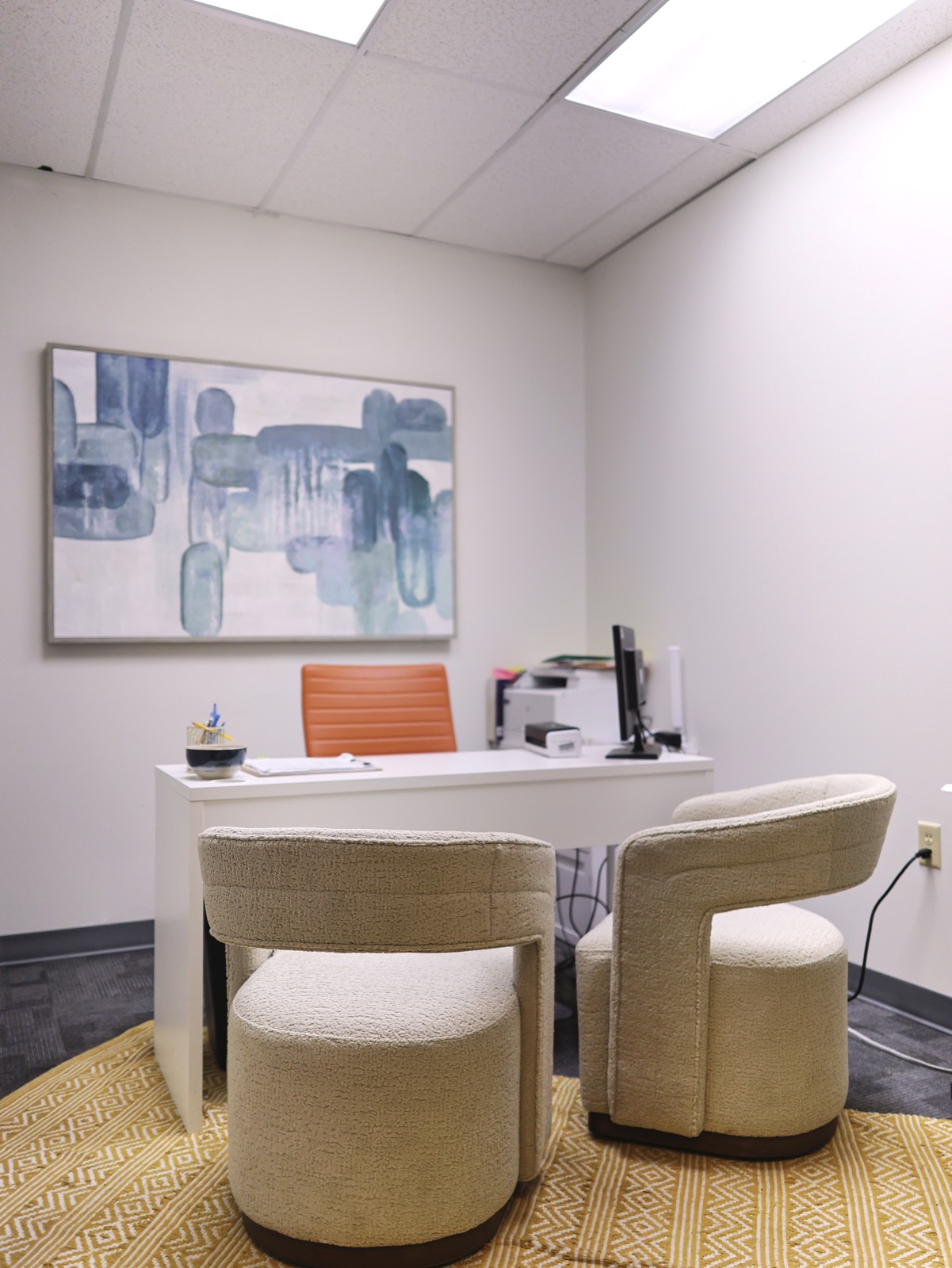
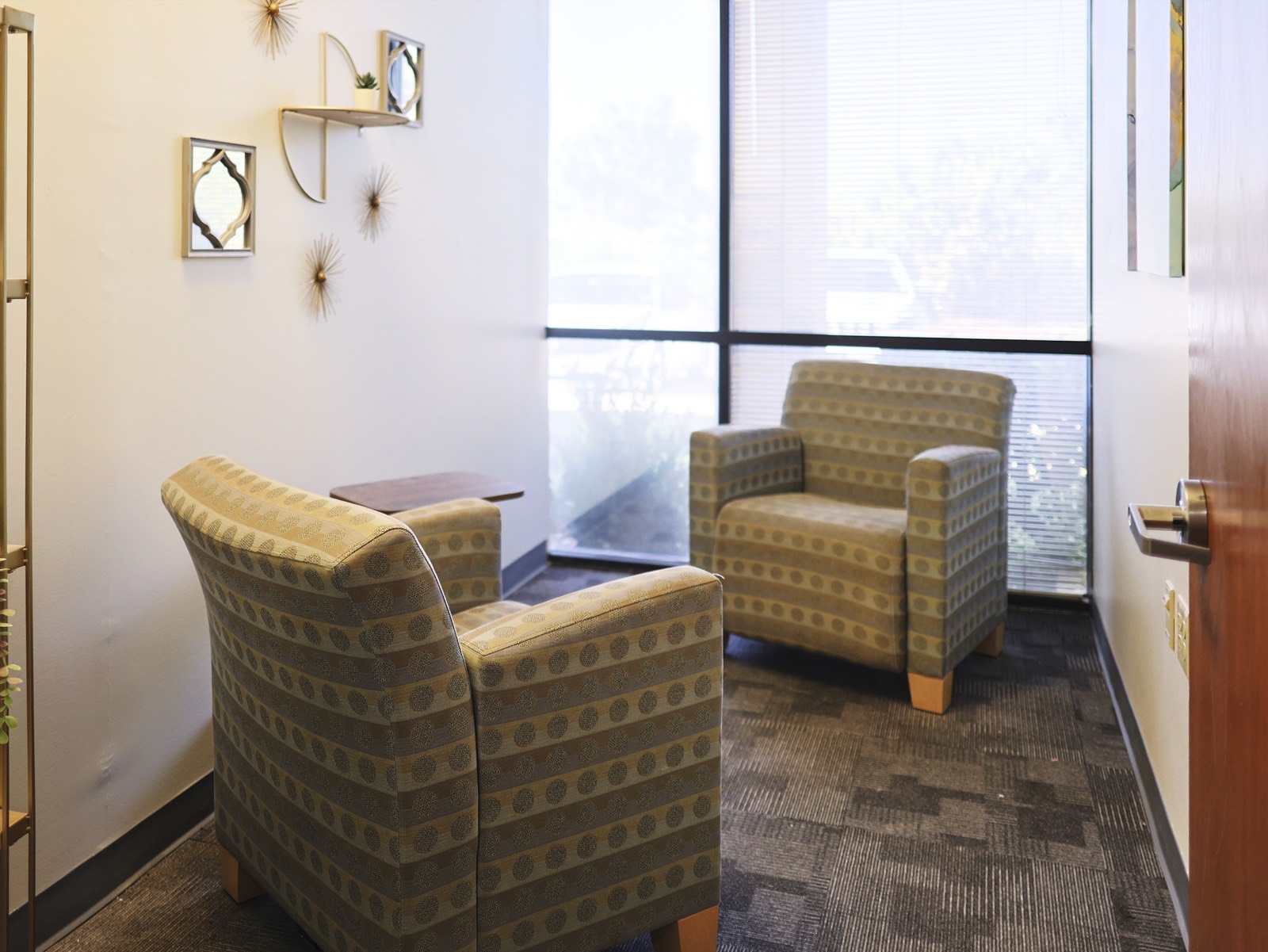
If you’re not sure which rehab center is closest, see Dallas, San Antonio, or Austin. Each page has photos of the rehab center and directions.
Texas rehab centers
Same clinical standard in three cities—choose the location closest to you.
Real People. Real Healing. Real Results.

“Real Deal is without a doubt the most structured and therapeutic rehab program I have ever attended. It has brought me to one year in sobriety and I don't know what I would have done had I not participated in the program. I highly recommend Real Deal to anyone struggling with alcohol and/or drugs. It's amazing. Just try it and you will see for yourself!”
“Realdeal wellness and therapy will always have a special place in my heart for all the opportunities and care they've provided. They helped pave the way for me to achieve sobriety and build a better life for myself and when I needed them the most they were there in a heartbeat. Extremely grateful for their services and the environment they provide for recovery.”
“Real deal is a truly rare place that has instrumental in my rehabilitation. The staff truly cares deeply about you and wants you to succeed. Also Real Deal is one of not many outpatient rehab places that takes primary mental health cases. Highly recommend this place and thank you to everyone who helped me.”
“I love all of these guys. These guys made me feel better. They made me think better. I don't feel those ways anymore. Before I came here, I was certain I wouldn't be alive for much longer. These guys fixed that.”
“The Real Deal is an incredible program that prioritizes accessibility more than almost any other PHP, IOP, and Housing program. With housing fees at lower price point than a majority of sober livings, the option to have your pet with you, and a supportive recovery community, they really do try to eliminate barriers to care as much as possible.”
“Real Deal is different then the others. It offers flexible support for recovery, allowing you to live at home while attending therapy and counseling sessions. It's designed to fit your schedule and provides tools to maintain sobriety and prevent relapse. The focus on mental health is a great way to get to the root of what's gone wrong time and time again. Cannot recommend enough!”
“Real Deal is full of people who are passionate in helping others obtain and maintain their sobriety. They are always willing to lend a helping hand without judgement. They also have employees with real world experience using their own experiences to help others heal.”
Outpatient rehab questions
Straight answers before you call.
Outpatient rehab is structured clinical treatment for mental health and/or substance use while you live at home. At RD that means two levels: PHP (higher intensity, most of the day) and IOP (three-hour sessions with morning or evening tracks). Neither is a residential stay.
PHP runs about 5–6 hours a day, 5–6 days a week — the most intensive outpatient level. IOP is lighter, usually about 3 hours a day, 3–5 days a week, with morning or evening options. Many people start in PHP for stability and step down to IOP as they regain footing.
Adults who need more than weekly therapy but cannot — or should not — leave work, school, or family for a residential program. Your assessment confirms whether outpatient is safe and clinically appropriate.
Yes. Alcohol rehab, drug rehab, and dual diagnosis all run through the outpatient PHP and IOP framework, with tracks for opioids, stimulants, cannabis, and polysubstance use.
Yes. Depression, anxiety, PTSD, and mood disorders are treated in the same PHP and IOP framework whether or not substance use is part of the picture.
Most major PPO plans cover medically necessary PHP and IOP. We verify benefits before you start and explain any out-of-pocket cost in plain language.
We assess withdrawal risk, help coordinate medical detox when indicated, and hold your spot in PHP or IOP so detox is a doorway into treatment — not a revolving door.
Dallas / Richardson, San Antonio, and Austin — plus virtual counseling when telehealth is clinically appropriate.
Length varies. Many clients spend one to several weeks in PHP, then step down to IOP for a similar stretch, then finish with weekly outpatient support. Timing follows progress, not a fixed calendar.
Yes. We offer morning and evening IOP tracks specifically so you can keep your job or stay in school while getting real treatment. Call 469-747-1201 to ask about current schedules.
Often yes. Same-day or next-day starts are common when the clinical fit is clear and benefits verify quickly. Call 469-747-1201 — an admissions rep in recovery answers, not a call center.