
Mental Health and Drug Addiction Treatment + Sober Living
Recovery is what happens between sessions—at your kitchen table, on the drive home, at Sunday dinner. Our psychiatrist-led team pairs mental health treatment and drug addiction treatment through PHP and IOP with sober-living homes that keep the work going after group ends. One team, one plan, room to actually change.


- Psychiatrist-led PHP & IOP
- Sober-living homes across Texas
- 4.8★ Google · 62 reviews

We Accept Most Insurance Plans:







We verify your treatment benefits before day one so you start with numbers, not surprises.
Mental health and substance abuse treatment, done right
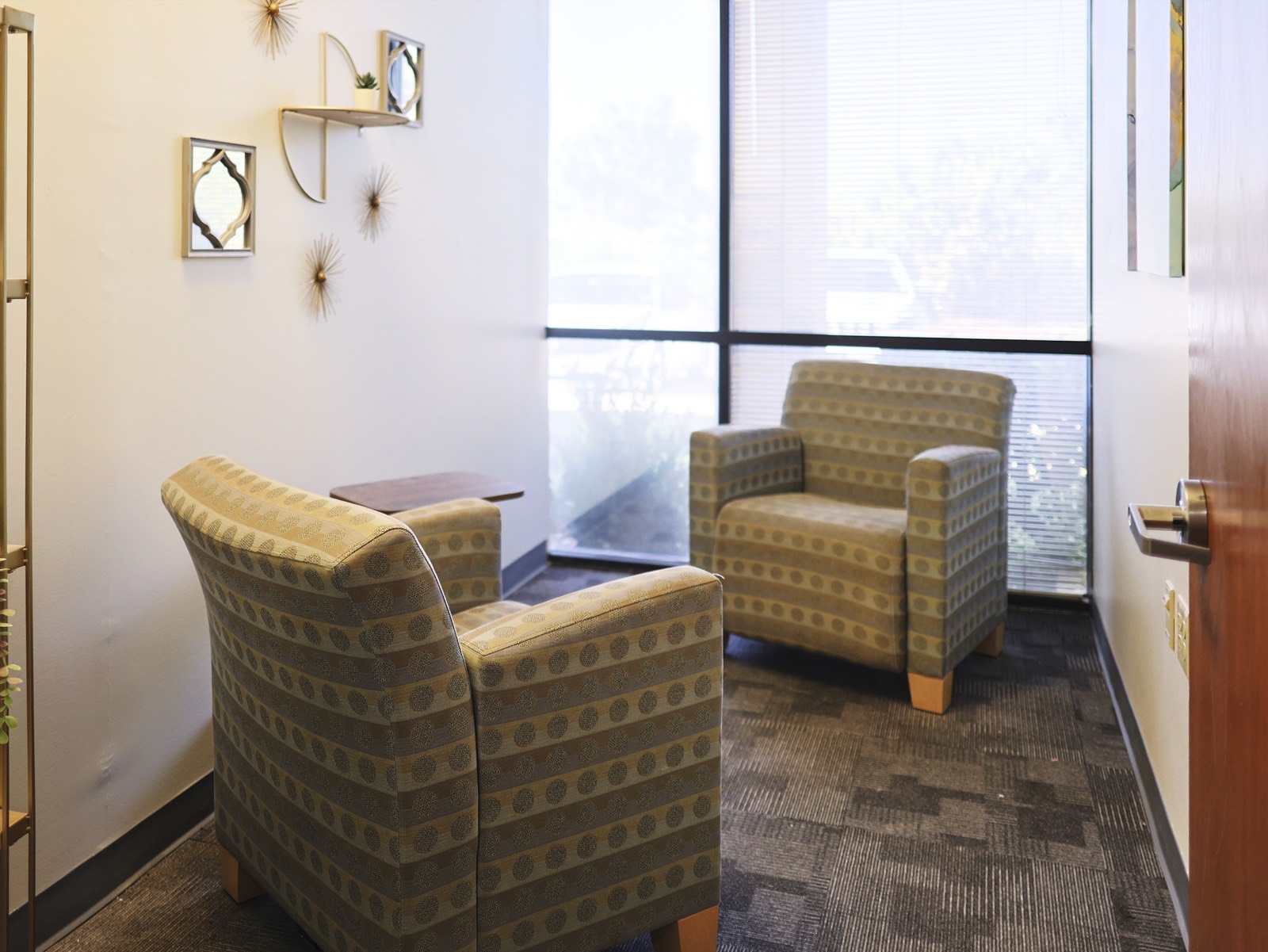
We are a psychiatrist-led outpatient program that treats mental health and substance use as one problem, in one plan, with one team. Depression, anxiety, trauma, alcohol, opioids, stimulants—whatever is on top and whatever is underneath—we handle both. No handoffs between departments, no waiting rooms full of strangers, no cookie-cutter workbook. You get named clinicians who know your history, a psychiatrist and therapist working from the same page, and a plan you can actually walk into on a Monday.
-
01
Psychiatrist-led care
A psychiatrist signs off on every plan. Meds and therapy stay in the same room instead of on opposite ends of a fax machine.
-
02
One team, one plan
Your therapist, your psychiatrist, and your house all sit at the same table. Progress in one place does not get lost in another.
-
03
Treatment + housing under one roof
PHP and IOP by day, a sober-living home by night. The tools stop being theoretical when your kitchen is part of the classroom.
-
04
Numbers, not surprises
We verify your insurance for treatment before day one so you know what you owe. Housing cost lives on the sober living page.
How it goes, start to finish
Most people move through five steps. Some skip a step, some stay in one longer—the plan is built around what you actually need.
-
1
Call & assessment
A confidential conversation and a clinical assessment. We verify insurance and tell you what a stay looks like before you commit.
Verify insurance → -
2
PHP · Partial Hospitalization
Six hours a day, five days a week. Group and individual therapy plus psychiatry. The most intensive level of outpatient care.
See PHP → -
 3
3
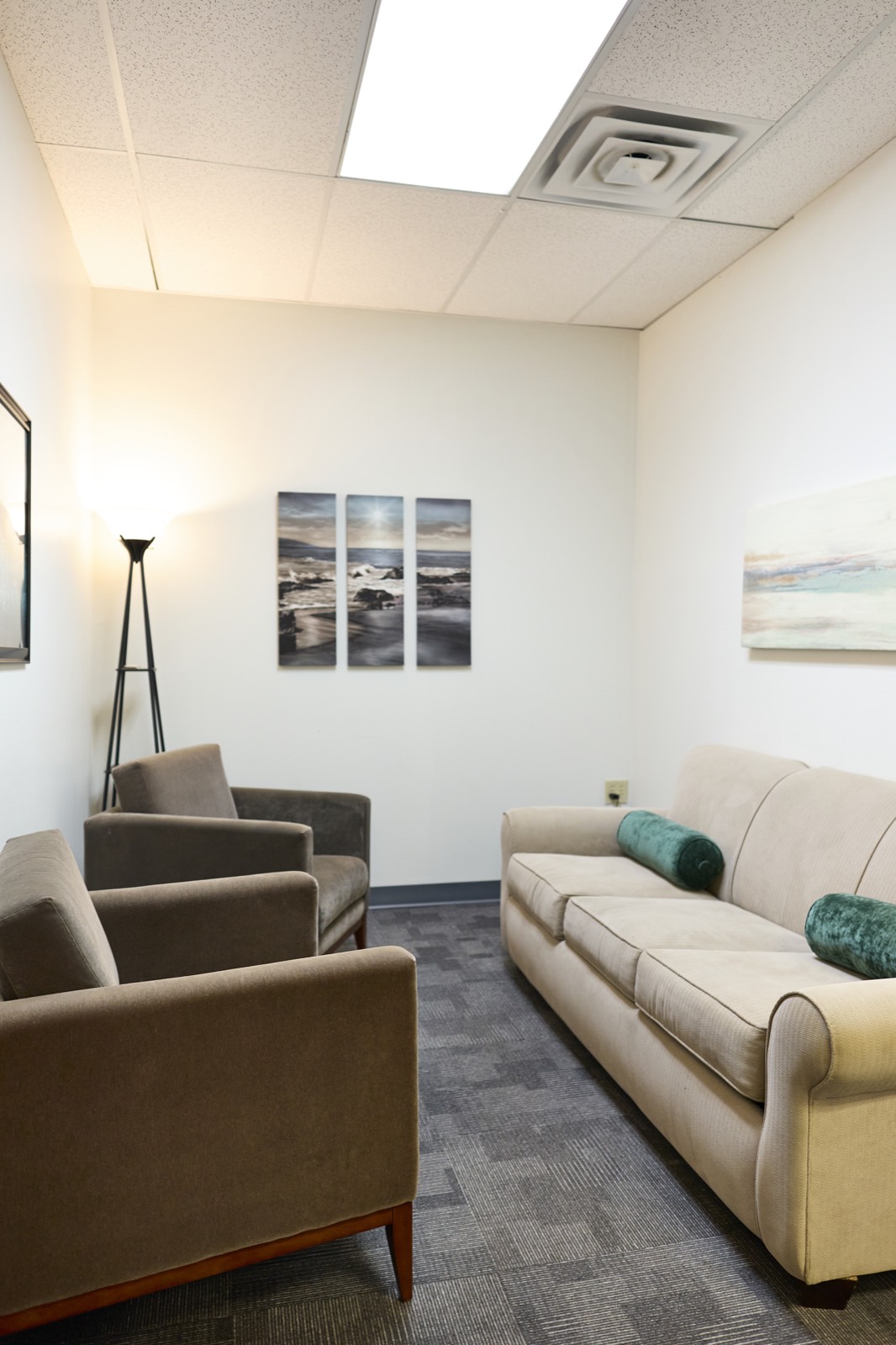
IOP · Intensive Outpatient
Three hours a day, three to five days a week. Same clinicians, more room for work, family, and school.
See IOP → -
 4
4
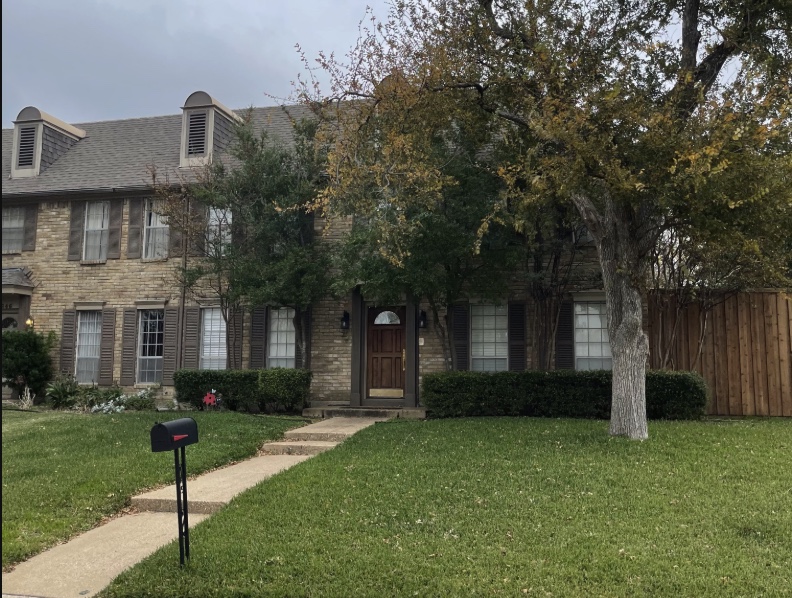
Sober living
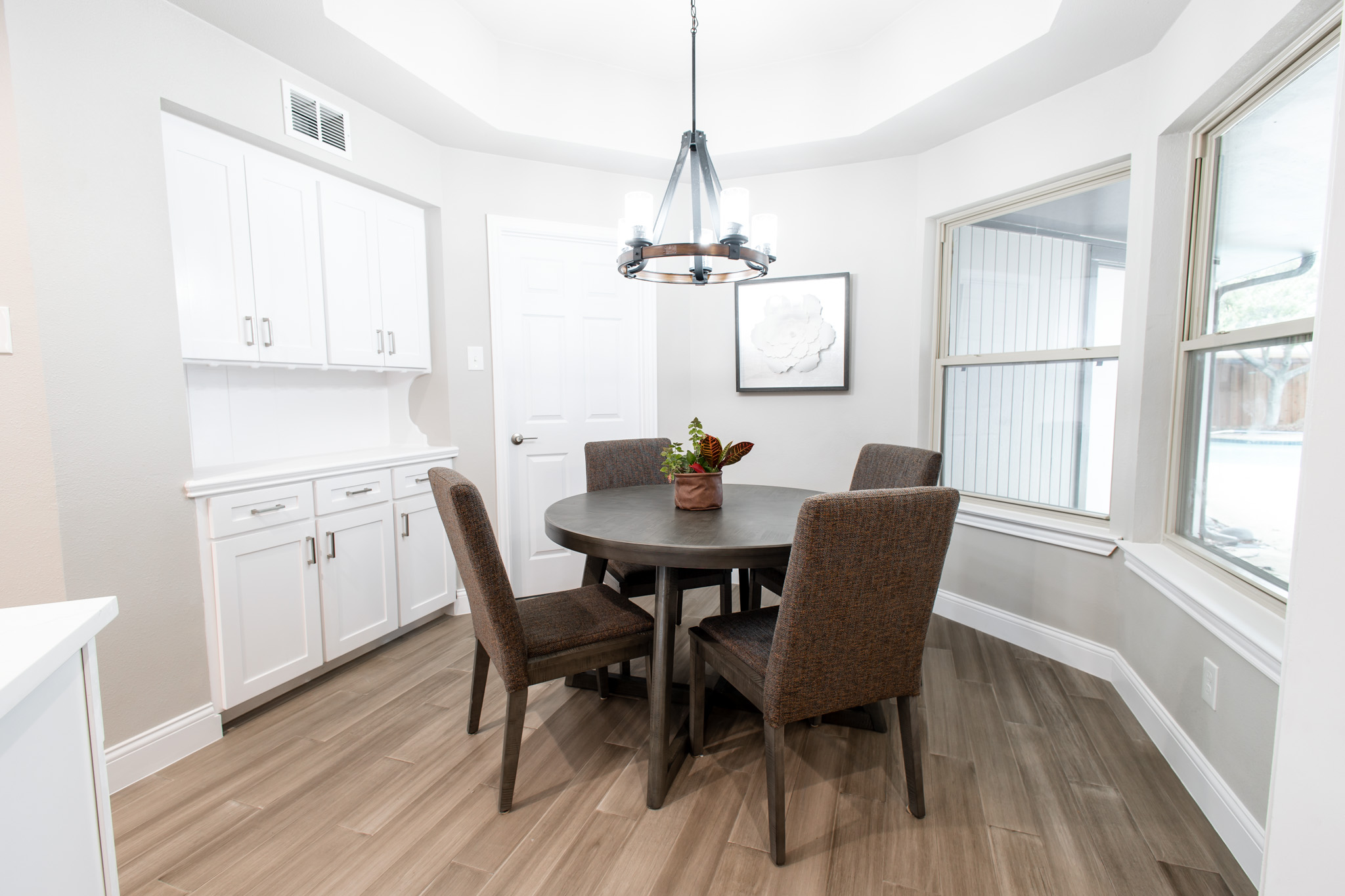
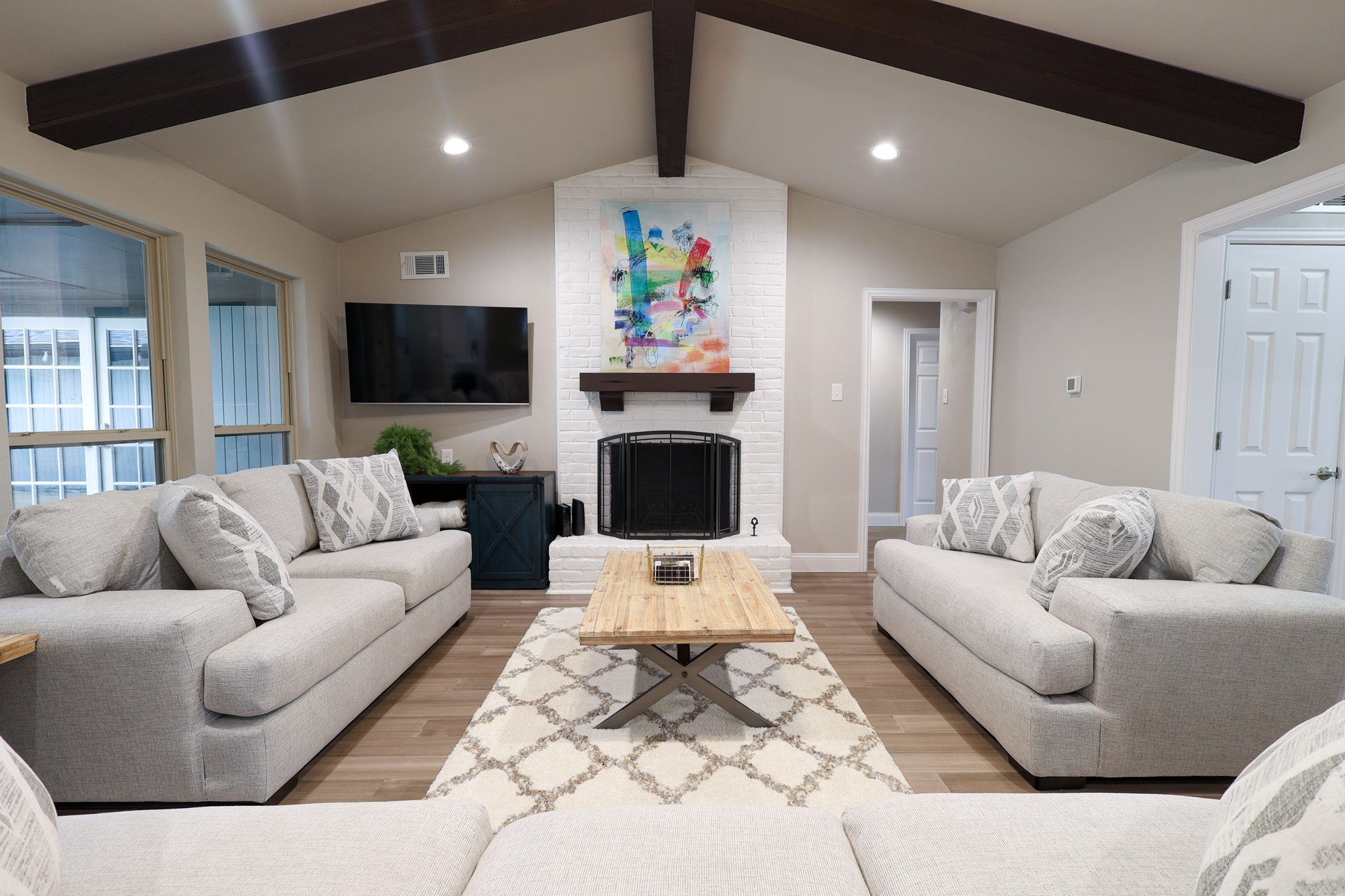
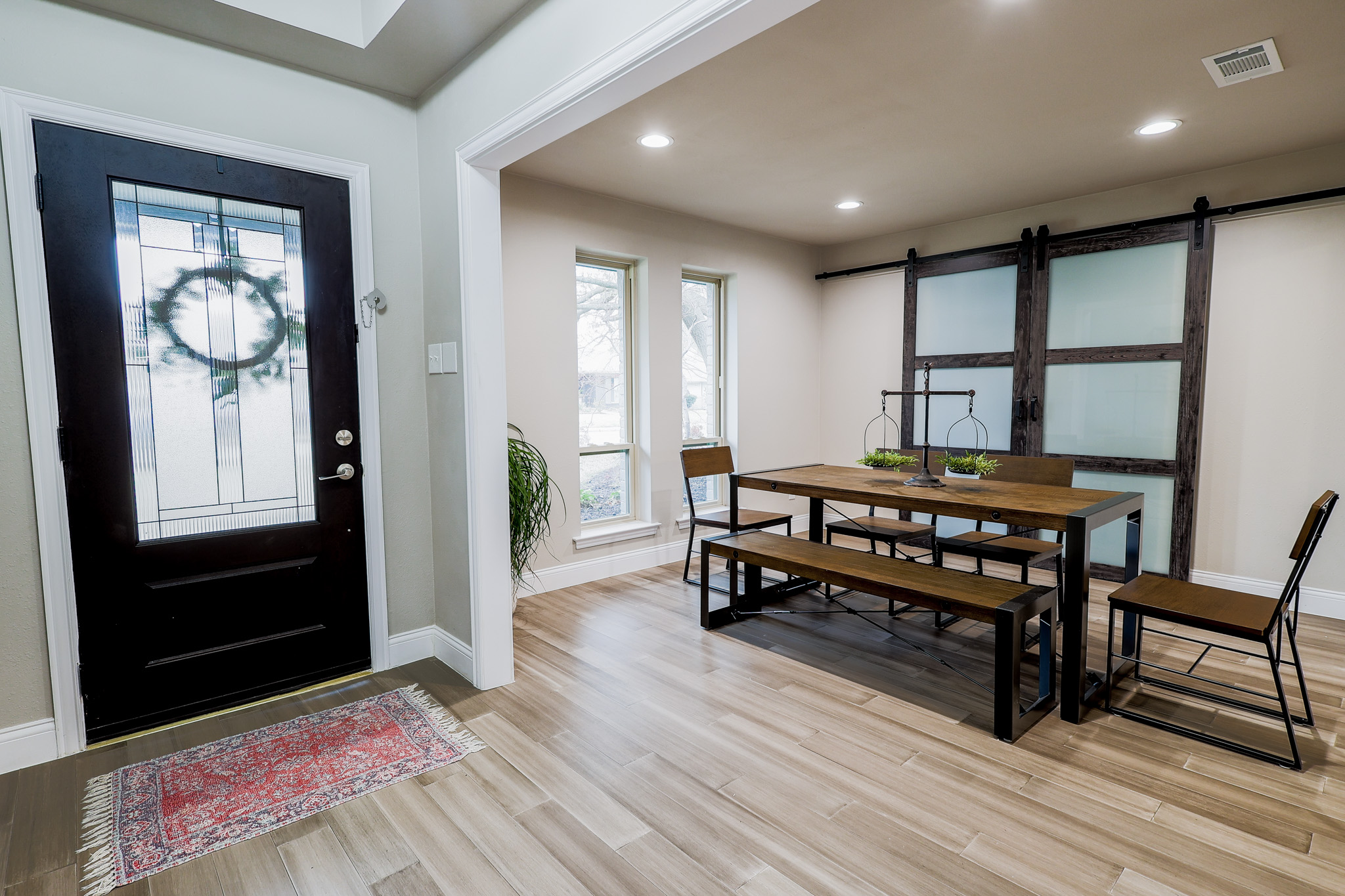
A real home in a real neighborhood. Men’s and women’s houses across Dallas, Richardson, Farmers Branch, San Antonio, and Austin.
See the homes → -
 5
5
Aftercare & alumni
Weekly alumni groups, check-ins, and a phone number that keeps answering. Recovery is a year, not ninety days.
Read alumni reviews →
See the work. Hear from the people who did it.
Two videos and three stories. This is what a day at RD actually looks like—and what it feels like a year later.
“I came in believing I could not stop drinking without disappearing from my kids for ninety days. RD gave me a plan that let me stay in their lives while I got well. Two years sober and I am the parent I always meant to be.”
“The house felt like a home the day I walked in. Sharing a kitchen with people who understood exactly what I was fighting made every hard morning survivable. I am still close with the women I lived with.”
“I finally had a psychiatrist and a therapist working from the same page. The trauma stopped running the room. Now anxiety is something I manage, not something that manages me.”
Names and photos withheld for confidentiality. Verified Google reviews below.
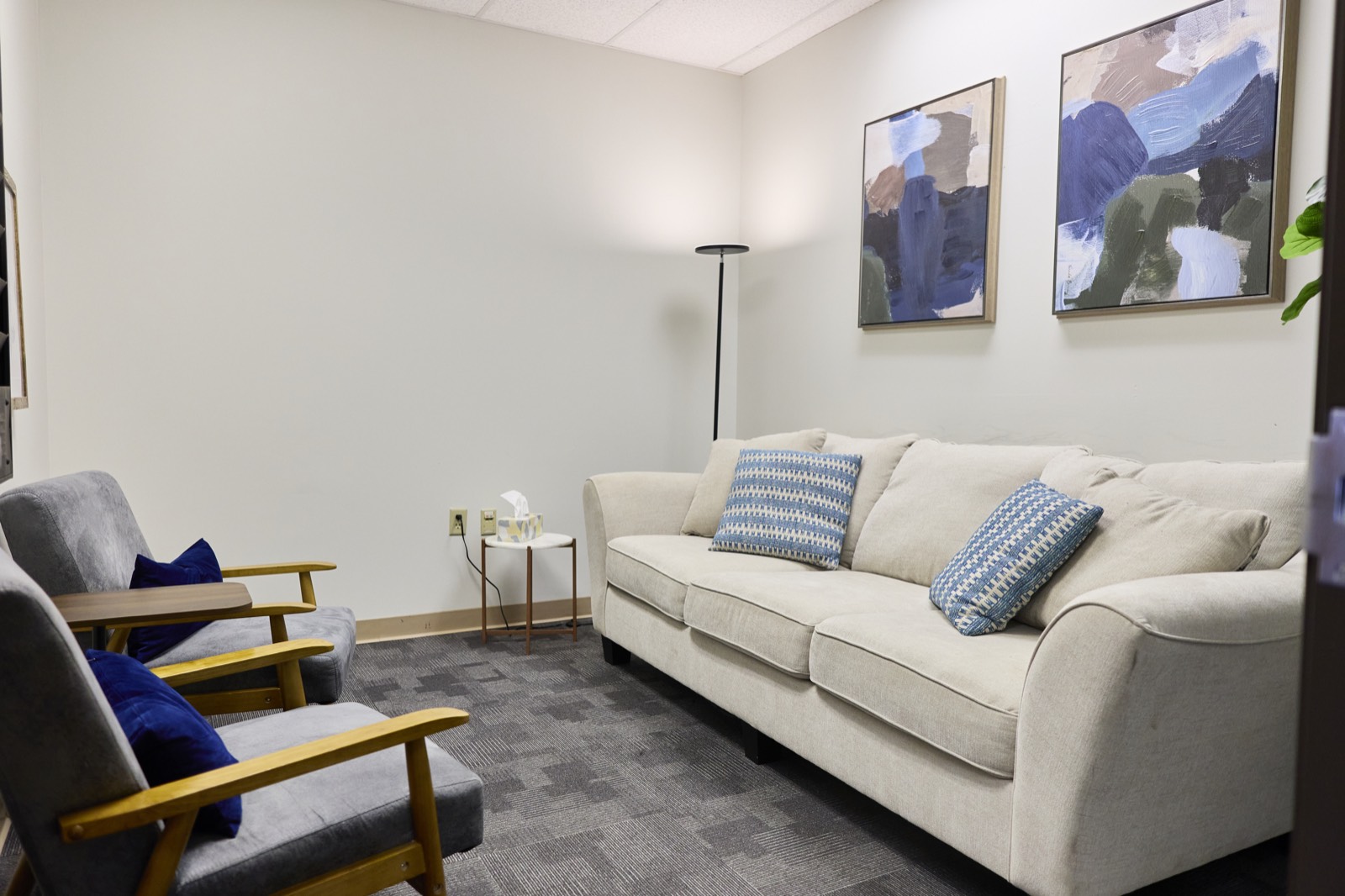
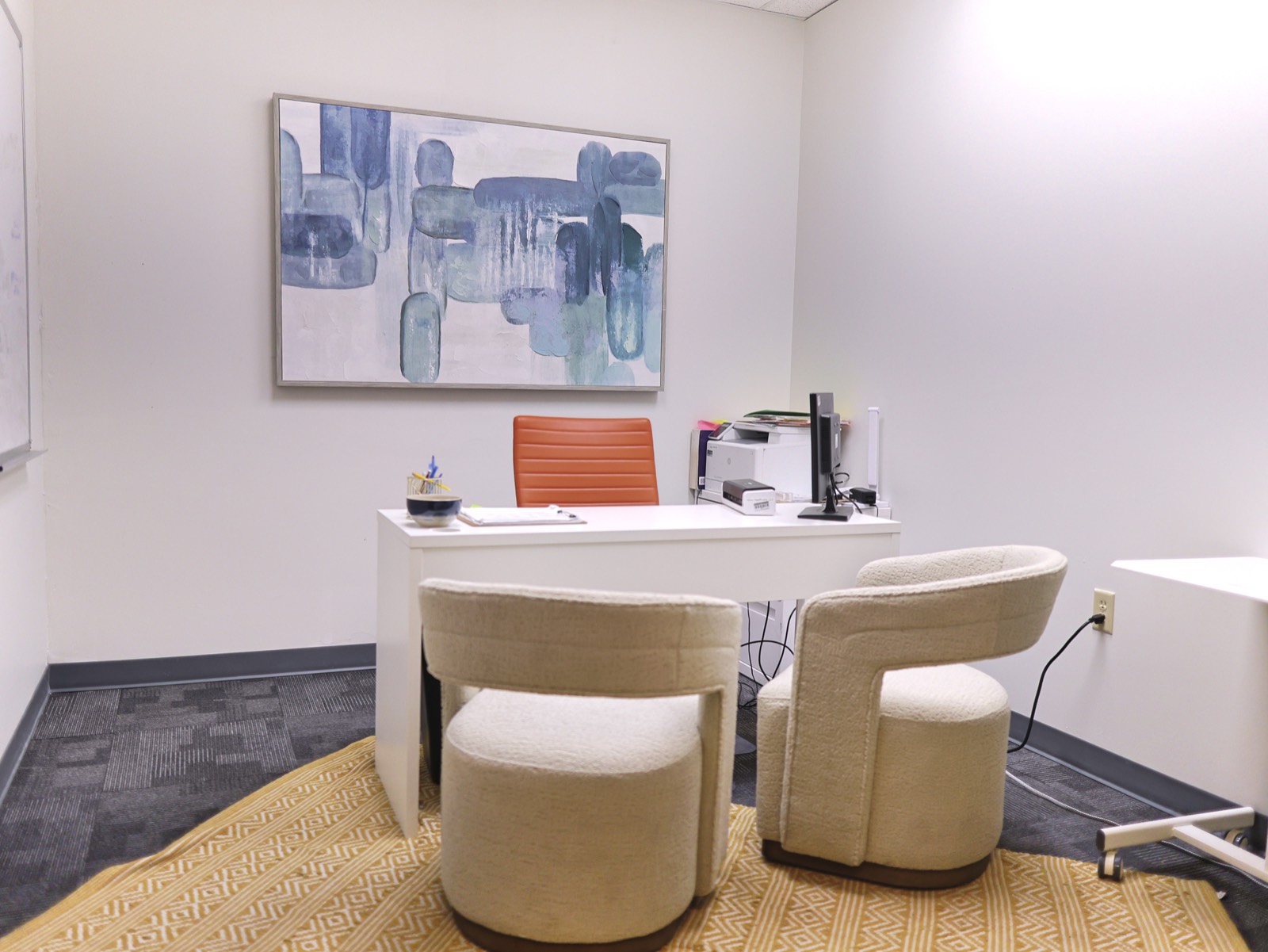
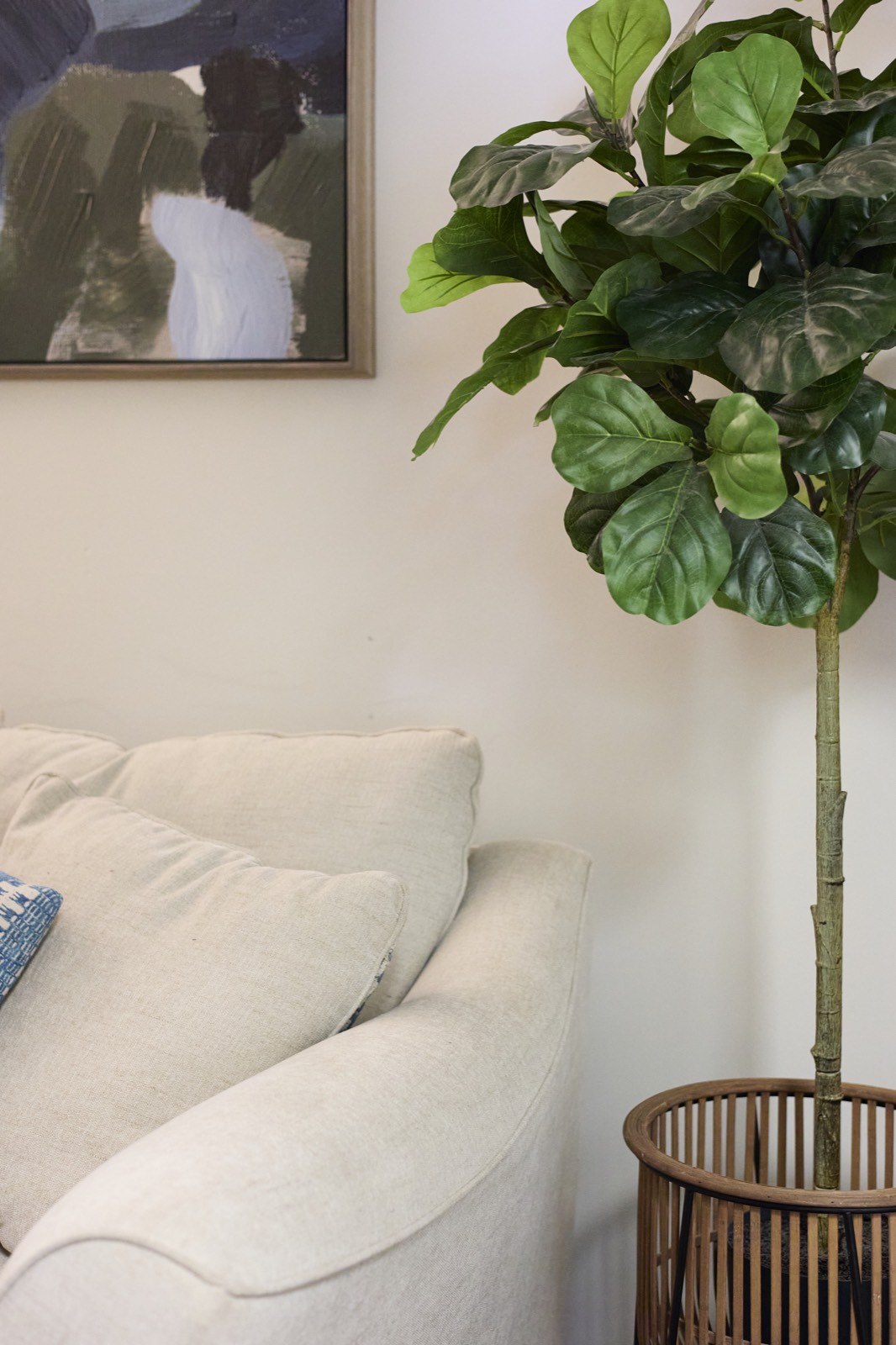
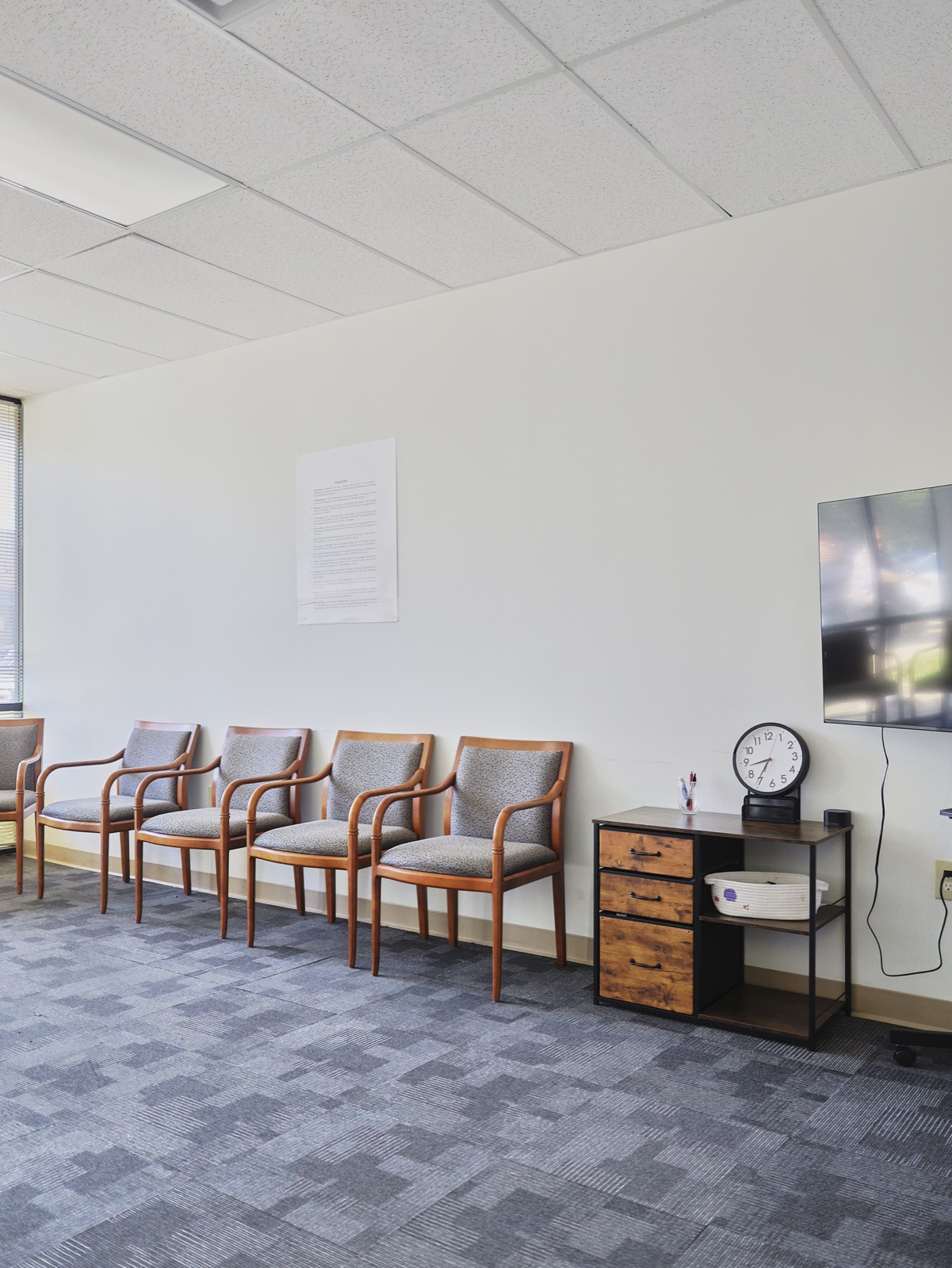
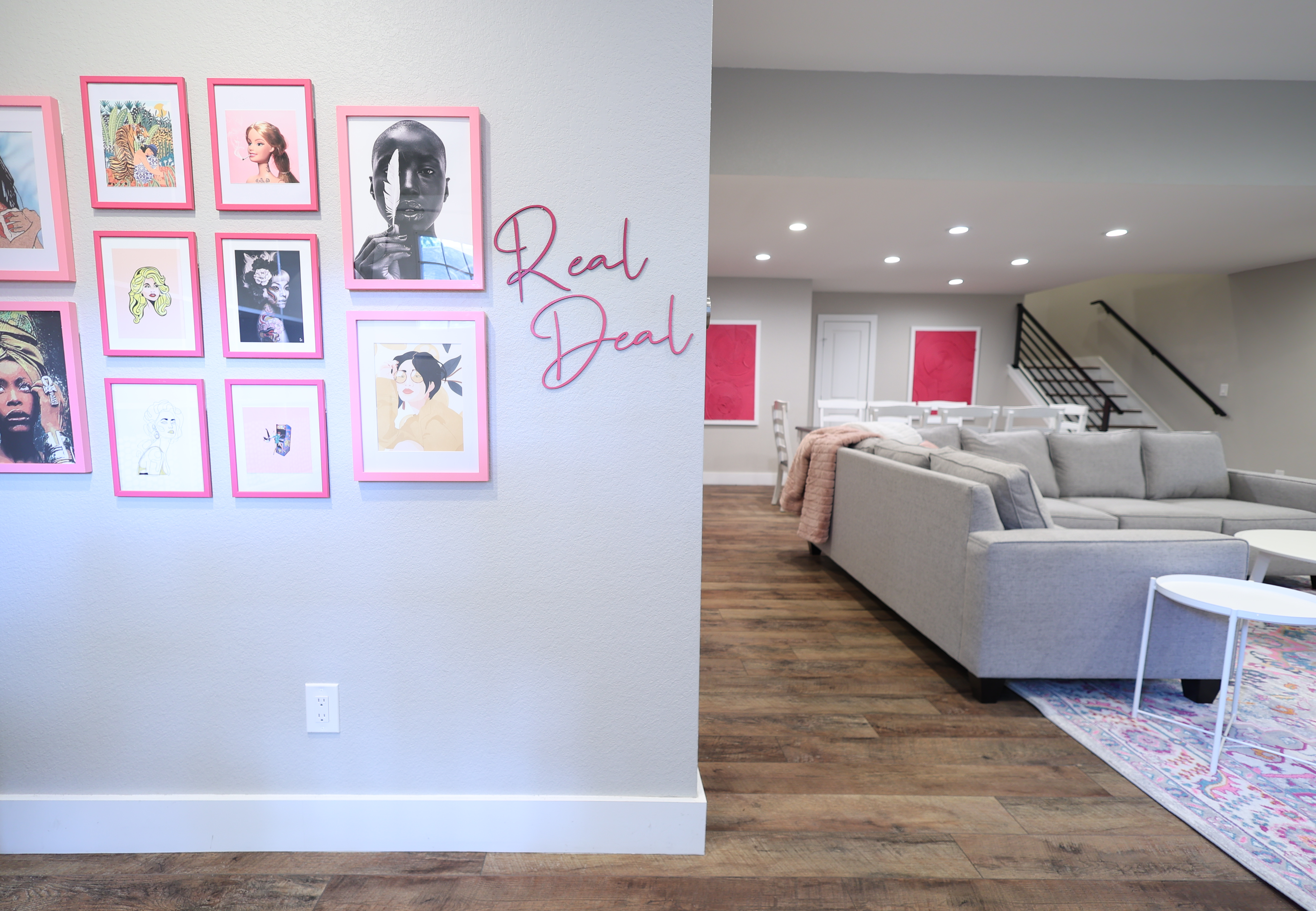
Inside the rehab center
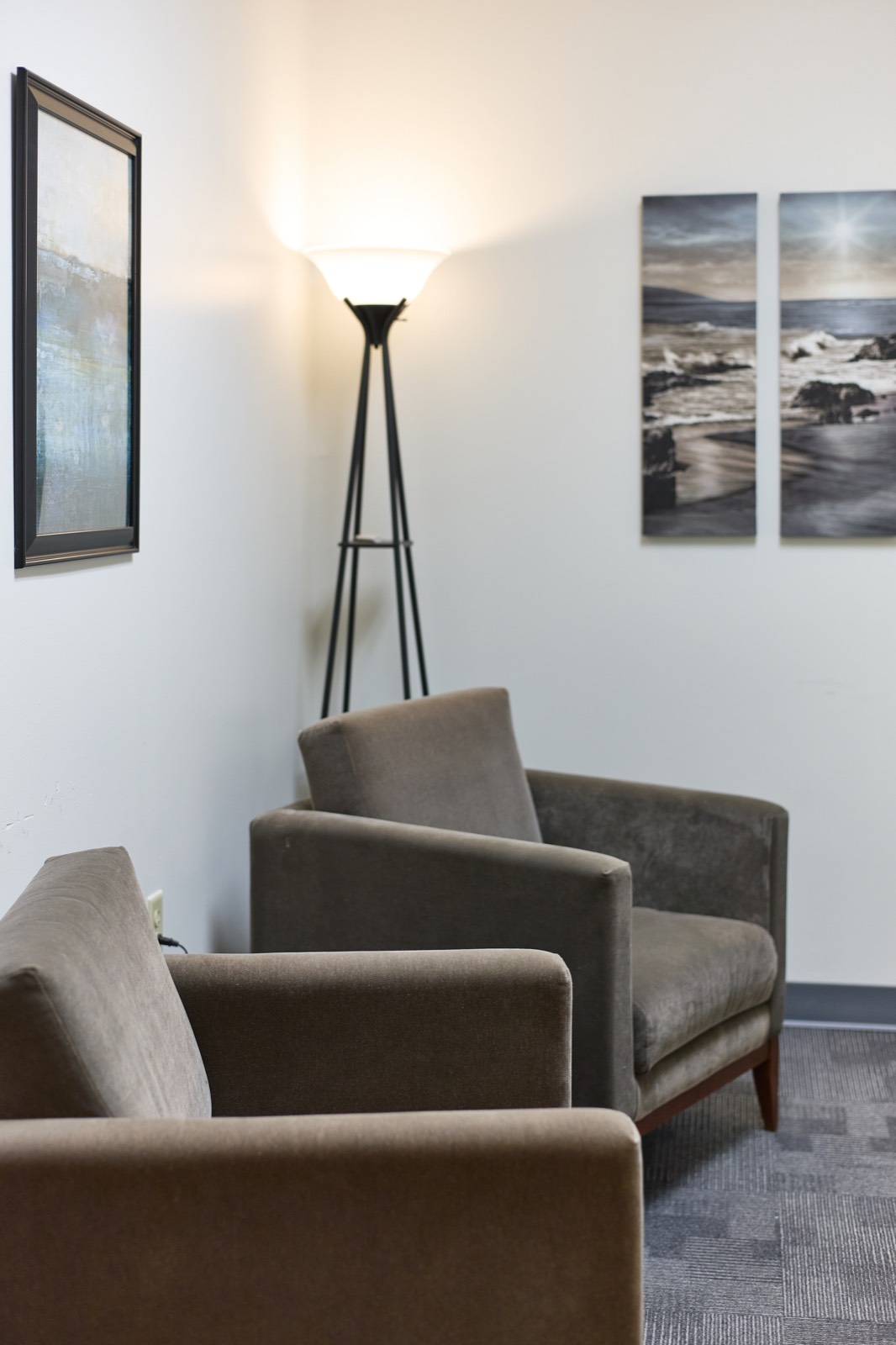
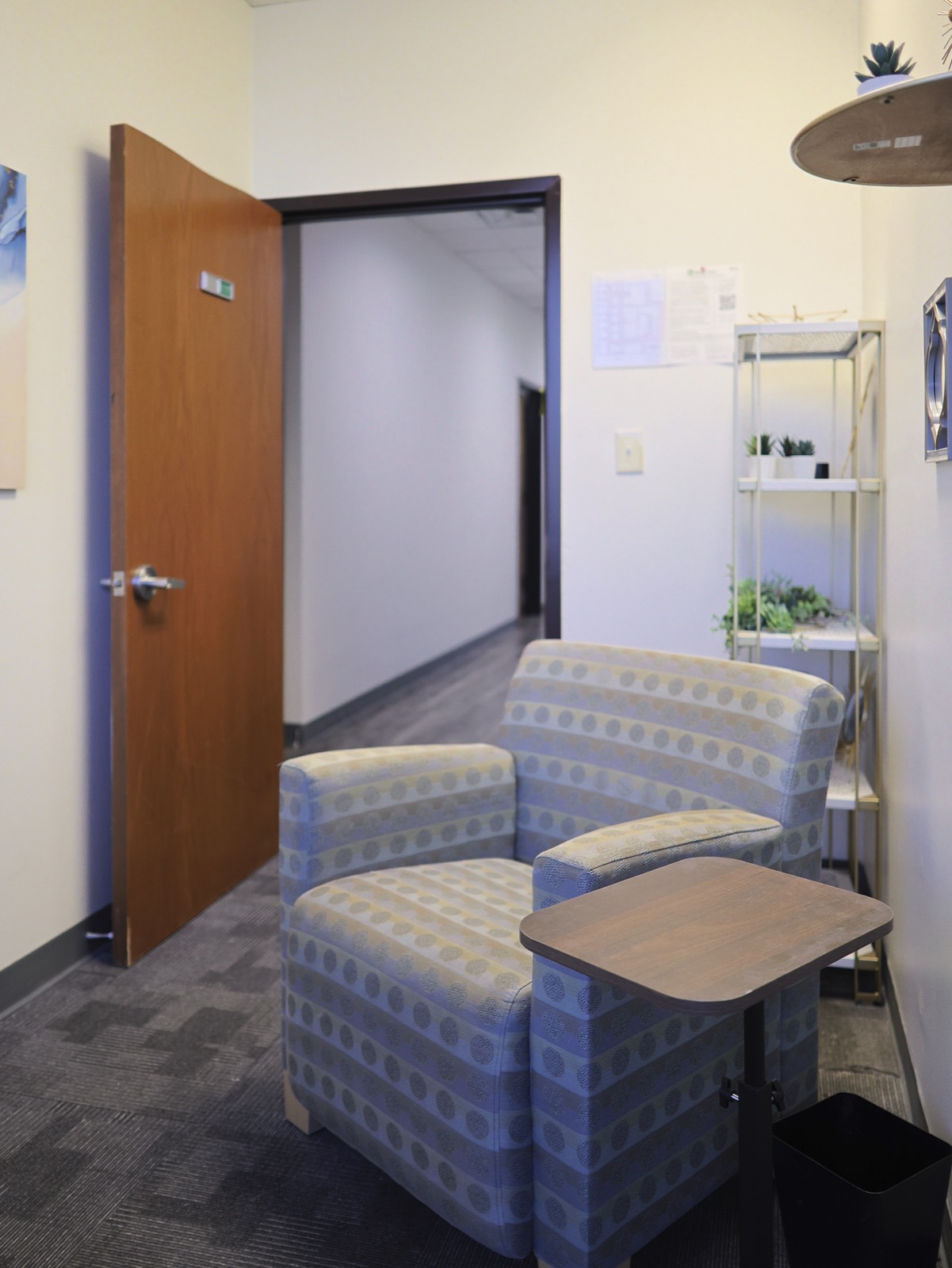
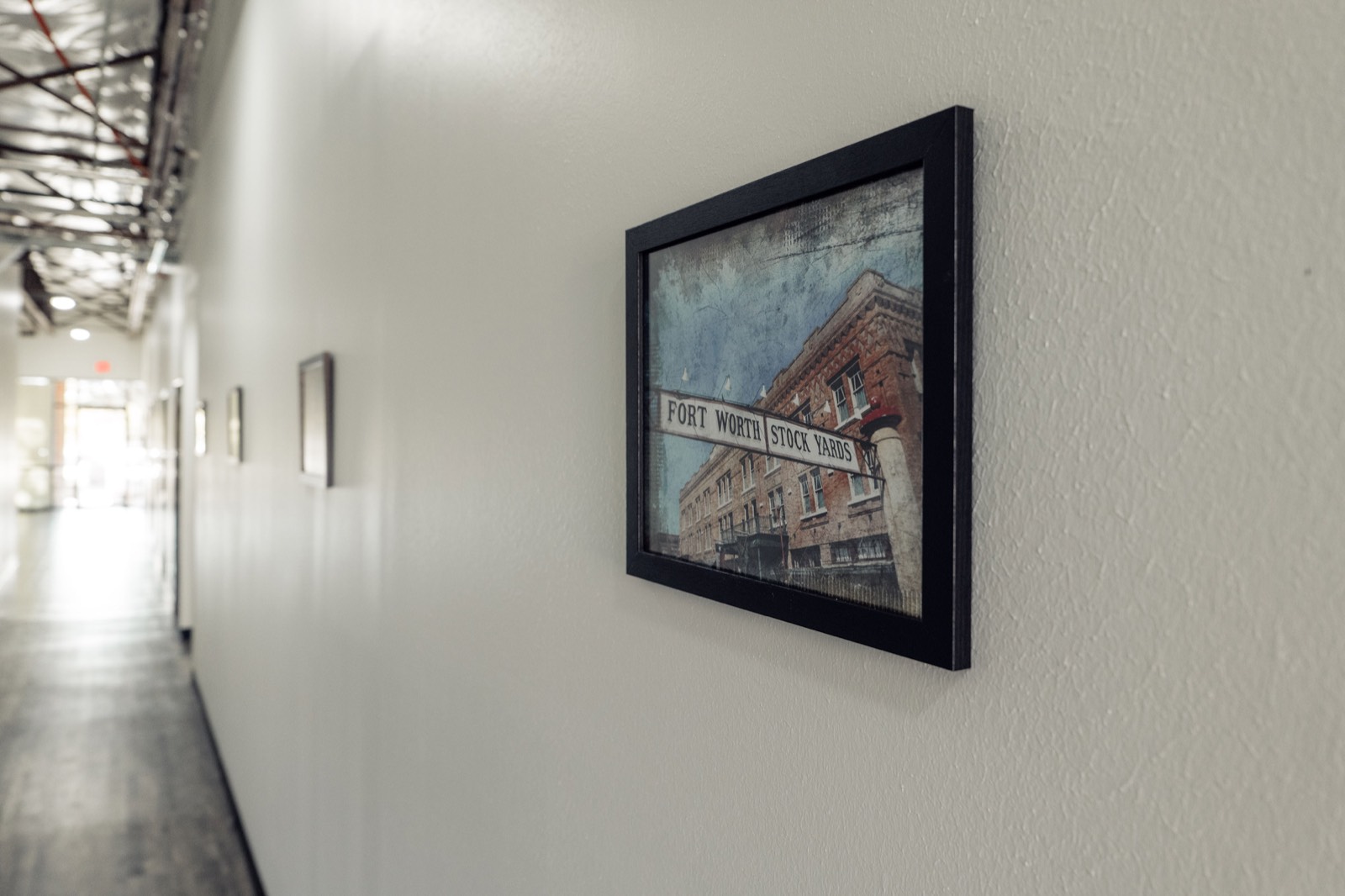
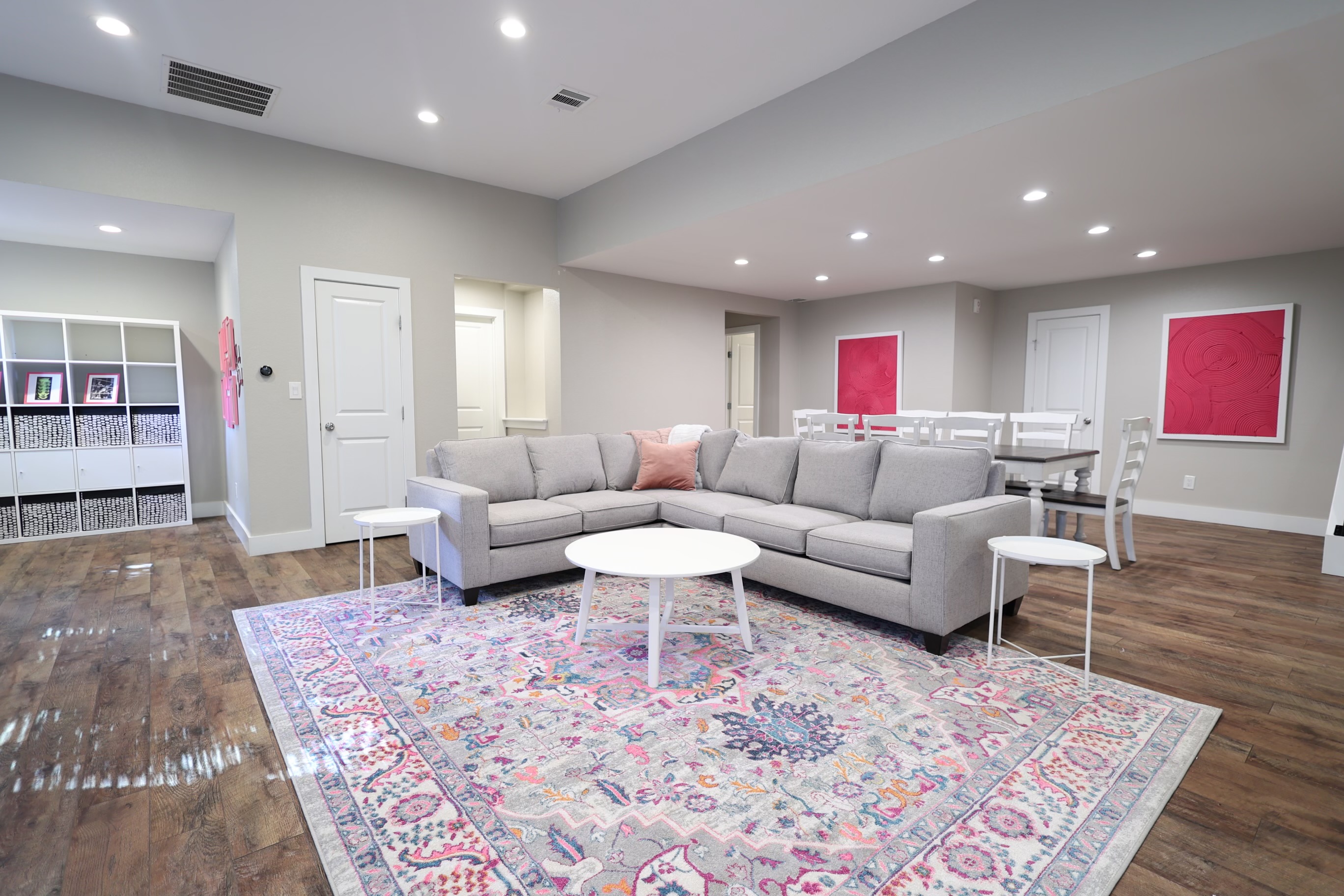
Inside the houses
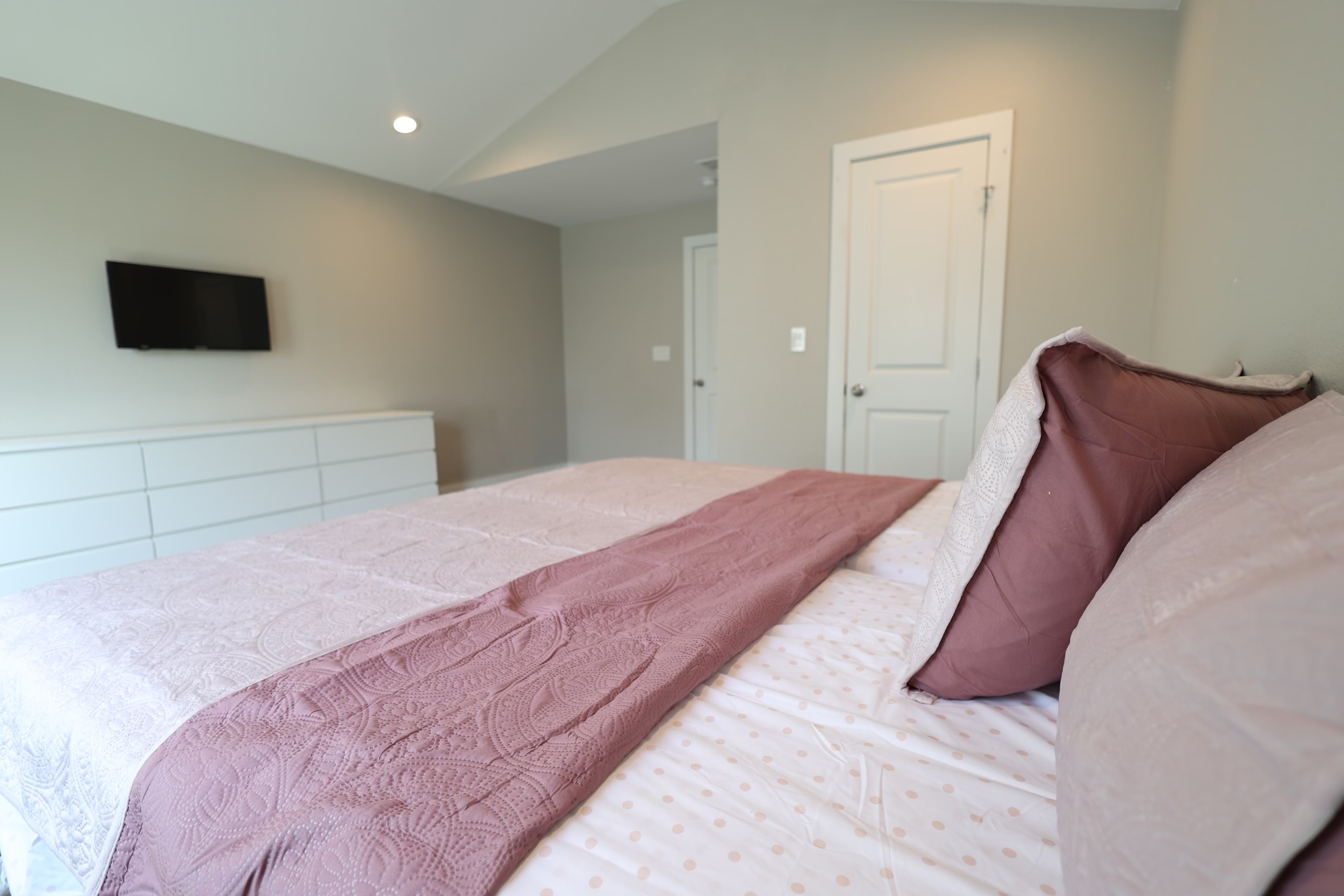
Two networks. One team.
Rehab Centers deliver PHP and IOP. Sober-living homes give you an address to actually go home to. Pick a location closest to you—we’ll take care of the rest.
PHP & IOP locations
Psychiatrist-led outpatient care across Texas.
Housing across Texas
Men’s and women’s homes on real streets. Rent is separate from clinical benefits.
Real People. Real Healing. Real Results.
Rated 4.8 out of 5 across 62 Google reviews from clients and families.

“Real Deal is without a doubt the most structured and therapeutic rehab program I have ever attended. It has brought me to one year in sobriety and I don't know what I would have done had I not participated in the program. I highly recommend Real Deal to anyone struggling with alcohol and/or drugs. It's amazing. Just try it and you will see for yourself!”
“Realdeal wellness and therapy will always have a special place in my heart for all the opportunities and care they've provided. They helped pave the way for me to achieve sobriety and build a better life for myself and when I needed them the most they were there in a heartbeat. Extremely grateful for their services and the environment they provide for recovery.”
“Real deal is a truly rare place that has instrumental in my rehabilitation. The staff truly cares deeply about you and wants you to succeed. Also Real Deal is one of not many outpatient rehab places that takes primary mental health cases. Highly recommend this place and thank you to everyone who helped me.”
“I love all of these guys. These guys made me feel better. They made me think better. I don't feel those ways anymore. Before I came here, I was certain I wouldn't be alive for much longer. These guys fixed that.”
“The Real Deal is an incredible program that prioritizes accessibility more than almost any other PHP, IOP, and Housing program. With housing fees at lower price point than a majority of sober livings, the option to have your pet with you, and a supportive recovery community, they really do try to eliminate barriers to care as much as possible.”
“Real Deal is different then the others. It offers flexible support for recovery, allowing you to live at home while attending therapy and counseling sessions. It's designed to fit your schedule and provides tools to maintain sobriety and prevent relapse. The focus on mental health is a great way to get to the root of what's gone wrong time and time again. Cannot recommend enough!”
“Real Deal is full of people who are passionate in helping others obtain and maintain their sobriety. They are always willing to lend a helping hand without judgement. They also have employees with real world experience using their own experiences to help others heal.”
Rehab and recovery questions, answered straight
Inpatient vs outpatient, insurance, detox, MAT, cost, timelines — the questions people actually ask before they call.
Rehab is treatment for substance use, mental health, or both. It runs on a spectrum: medical detox for withdrawal, inpatient/residential for people who need 24/7 supervision, PHP (day treatment), IOP (evening groups), and standard outpatient. The right level depends on what you use, how long you've used it, what else is going on medically and mentally, and what your life looks like outside of treatment. There is no single "rehab" — the question is which level you actually need.
Inpatient (also called residential) means you live at the treatment facility for 30, 60, or 90 days. Staff, food, groups, and beds are all on one campus. Outpatient means you live at home (or in a sober living home) and come to the rehab center for treatment during the day or evening. Inpatient is more intensive and more expensive; outpatient lets you keep working, keep parenting, and practice recovery in the same environment you actually live in. Most people who complete either level of care do just as well long-term — the trick is picking the level that matches your risk.
Rule of thumb: inpatient is for people who cannot stay safe or sober in their current environment even for a night — active withdrawal risk, suicidality, active psychosis, or a home situation that guarantees relapse. Outpatient (PHP or IOP) is for people who need real clinical structure but can sleep somewhere safe. If you're not sure, get an assessment — that's what the free intake call is for. We'll tell you honestly, even if the honest answer is "you need inpatient, not us."
No. Real Deal is outpatient — PHP and IOP during the day, paired with sober living homes at night for people who need the residential structure without a locked facility price tag. If you genuinely need inpatient, we'll say so on the intake call and help coordinate a bed with partners we trust.
Depends on what you use and how much. Alcohol, benzodiazepines, and opioids can produce medical withdrawal that ranges from unpleasant to dangerous. Stimulants and cannabis typically don't. If you need medical detox, we help coordinate it with detox partners we trust, then you step directly into PHP or IOP with us so the thread doesn't get lost. More on this on our detox page.
PHP (Partial Hospitalization Program) is day treatment — roughly 5–6 hours a day, 5 days a week, with a psychiatrist, therapist, and group. IOP (Intensive Outpatient Program) is a step down — 3–4 hours a day, 3 days a week, usually in the evenings so people can work. Both are outpatient. Most people step down from PHP to IOP over about 8–12 weeks.
A sober living home (a.k.a. halfway house or transitional recovery housing) is a structured house where residents in early recovery live together and are held to a shared standard: sobriety, curfew, chores, house meetings, drug testing. It is not a facility. It is a real neighborhood house you live in while you finish treatment and rebuild the rest of your life. See our sober living page for houses, rules, and pricing.
Dual diagnosis means a substance use disorder and a mental health condition (depression, anxiety, PTSD, bipolar, ADHD) happening at the same time. Most people who come to treatment for one have the other. Treating only one usually causes the other to relapse. Our whole model is built around treating both together — more on the dual diagnosis page.
Signs that outpatient rehab is worth considering: use has increased, you've tried to cut back and can't, it's affecting work, relationships, sleep, or money, you're using to manage anxiety/depression/PTSD, you've had a near-miss (DUI, ER visit, blackout, overdose scare), or people who love you have asked you to get help. You don't need to hit rock bottom. The intake assessment is free and takes about 20 minutes.
No. That's an old idea and it kills people. Treatment works better the earlier someone gets it — less to unlearn, more support system left intact, more of your job/relationships/health to protect. If it's crossing your mind, that's the signal.
Yes — that's what outpatient is for. IOP runs in the evenings specifically so people can keep jobs. PHP is during the day; some clients take FMLA for the first month, some negotiate a schedule with their employer. FMLA (Family and Medical Leave Act) legally protects your job for up to 12 weeks for treatment; ADA reasonable accommodations may also apply. We can help draft the letter your HR needs.
Call us and describe the situation. We'll walk you through the options — what to say, when to say it, what an intervention looks like versus a direct conversation, and how to get them to the assessment. We don't send trucks to grab people. Adults have to say yes eventually. Our job is to make yes as easy as possible when they're ready.
Nationally: medical detox runs $500–$1,500/day, inpatient runs $500–$2,000/day for 30–90 days, PHP runs $350–$1,000/day, IOP runs $250–$500/session, and sober living runs $800–$3,000/month depending on city. Almost all of it is negotiable with insurance. At Real Deal, PHP and IOP are typically covered by commercial insurance after your deductible, and our sober living is $500/month — designed to keep the room affordable so people can actually finish treatment. We'll tell you exactly what you'll owe before day one.
For most people, yes — the Mental Health Parity Act requires commercial insurance plans to cover addiction and mental health treatment at the same level as other medical care. What varies is your deductible, coinsurance, and whether the specific facility is in-network. We verify your specific benefits for free and give you the number in writing before you commit.
Aetna, Cigna, UnitedHealthcare, Blue Cross Blue Shield, Magellan, TRICARE, Baylor Scott & White, Wellpoint, Friday Health Plans, Sendero, Humana, and most other commercial plans. Verification is free and runs in seconds — enter your info on our verify insurance page or call and we'll do it live on the phone.
Options exist. Sober living at Real Deal is $500/month cash regardless of insurance. For clinical services we can talk about self-pay rates, payment plans, and in some cases scholarships or sliding-scale referrals. Call us — the conversation is free and we'll be honest about what's realistic.
We are primarily an in-network commercial insurance provider. Medicaid and Medicare coverage varies by state, plan, and level of care. Call us and we'll tell you the truth about your specific plan — and if we can't take it, we'll point you toward providers who can.
Medication-Assisted Treatment (MAT) works and it saves lives. Our psychiatrists prescribe and manage Suboxone (buprenorphine), Vivitrol (naltrexone injection), and oral naltrexone as part of the treatment plan when it's clinically appropriate. You don't have to "choose" between medication and real recovery — the research is clear that combining medication with therapy is the highest-outcome path for opioid and alcohol use disorder.
Psychiatrist-led mental health and drug addiction treatment through PHP and IOP, paired with sober-living homes when the old address is part of the problem. One clinical plan across both.
PHP is typically 4–6 weeks, then IOP for 8–12 weeks, then aftercare or alumni for as long as you want the accountability. Sober living residents usually stay 3–6 months. There is no honest one-size answer — the plan is built around what you're treating and how it responds.
Rehab Centers in Dallas, San Antonio, and Austin. Sober living homes in Dallas, Richardson, Farmers Branch, Garland, San Antonio, Austin, and Houston. Admissions line is open 8am–8pm daily; the houses are open 24 hours.
Same-hour is common. Insurance verifies in seconds, the intake assessment runs about 20 minutes, and if a bed is open and your benefits come back clean you can be in the door the same day — often within the hour of your first call. Free and confidential.
Yes, treatment is federally protected. Every conversation, assessment, note, and record is HIPAA and 42 CFR Part 2 protected — that's a stricter privacy standard than normal medical care because it specifically covers addiction treatment. Nobody outside your care team learns you're in treatment unless you sign a specific release.