

Kratom Addiction Treatment Help for kratom and 7-OH dependence
Kratom, sometimes called gas station heroin, often starts as a way to manage pain, boost energy, or get off other opioids. Then it becomes something you can’t put down. If skipping a dose leaves you sick, anxious, and reaching for the next one, that’s kratom dependence, and it’s treatable. We treat kratom and 7-OH addiction with outpatient PHP and IOP in Dallas, Austin, and San Antonio. When you call, you’ll talk with someone in recovery who checks your insurance and tells you whether detox coordination should come first.
Open daily 8am–8pm · Most insurance accepted




- Dual Diagnosis Experts
- Open Every Day, 8–8
- 4.8★ · 62 Google reviews

We Accept Most Insurance Plans:








We’ll verify your treatment benefits in minutes — 100% confidential.
What kratom is
Kratom comes from the leaves of Mitragyna speciosa, a tree native to Southeast Asia. In the U.S. it’s sold as powder, capsules, tea, liquid shots, and concentrated extracts at gas stations, smoke shops, and online, with no prescription needed.
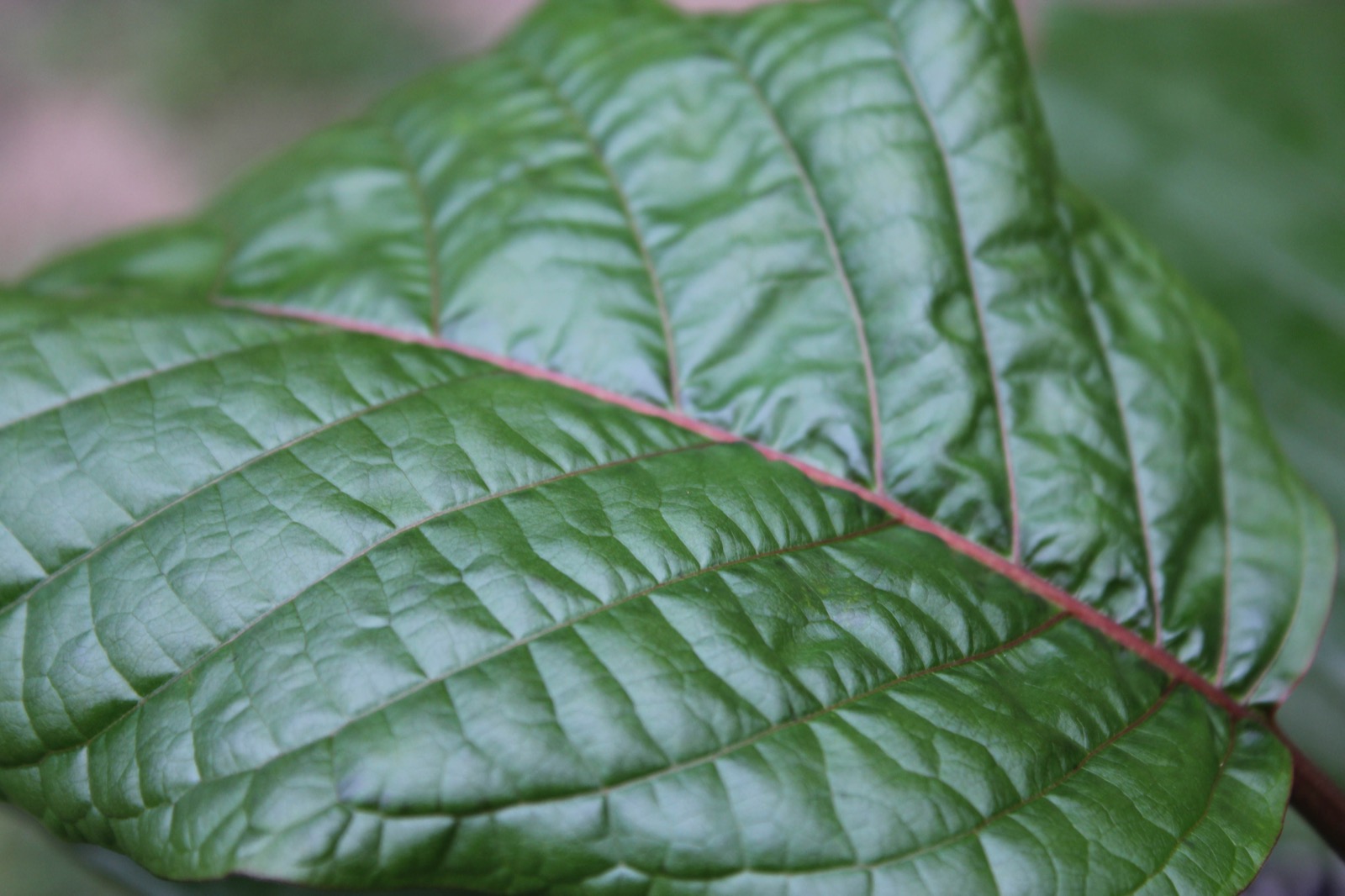
Leaf photo by ThorPorre, CC BY 3.0, via Wikimedia Commons. Resized for this page.
At a glance
- Compounds
- Mitragynine and 7-hydroxymitragynine (7-OH), which act on the same receptors as opioids
- Low dose
- Feels stimulating
- Higher dose
- Feels sedating, like a painkiller
- Nickname
- Gas station heroin, because of where it’s sold and how those compounds act
- FDA status
- Not approved as a medicine, and potency varies from bottle to bottle
How it turns into dependence
- A reason to startPain, energy, or getting off other opioids.
- The dose creeps upOver time, it takes more than it used to.
- Leaf turns into extractsOr into concentrated 7-OH products.
- A missed doseWithdrawal shows up. That’s dependence.
Many people start using it for pain, energy, or to get off other opioids. Over time the dose creeps up, leaf turns into extracts or 7-OH, and missing a dose brings on withdrawal. That’s dependence.
Signs of Kratom Addiction
One rough morning is not the whole picture. The pattern is.
- 01
Using just to feel normal
The dose that used to help now only keeps withdrawal away. You take more, or take it more often, than you meant to.
- 02
Withdrawal between doses
Anxiety, irritability, restlessness, muscle aches, sweating, a runny nose, nausea, or insomnia when it wears off.
- 03
The day is planned around it
You travel with a supply, hide how much you use, or get uneasy when you might run out.
- 04
Stopping hasn’t held
You have cut back or quit and gone back, often because the first few days felt unbearable.
- 05
It is mixed with other substances
Alcohol, benzodiazepines, or opioids on top of kratom. That combination needs a clinician to sort out before anyone tries to stop alone.
- 06
Life is getting smaller
Work, sleep, money, or relationships are bending around use, and pain, anxiety, or mood are worse than when you started.
7-OH: Why Concentrated Kratom Products Are Riskier
7-OH (7-hydroxymitragynine) occurs naturally in kratom leaf in tiny amounts. Many products now sold as tablets, gummies, and shots are concentrated or chemically boosted, with far more 7-OH than the leaf ever contains, and it acts on opioid receptors much more strongly.
That changes the picture. People who switch from leaf or powder to 7-OH products often find tolerance builds faster, doses climb quicker, and withdrawal feels closer to opioid withdrawal.
Federal regulators are moving to make high-concentration 7-OH a Schedule I drug, and Texas law already prohibits synthetic kratom alkaloids.
If you’ve been using 7-OH, tell us during your assessment. It affects whether detox coordination should come first.
| Kratom leaf | 7-OH products | |
|---|---|---|
| Amount | Tiny amounts, naturally | Far more than the leaf contains |
| Sold as | Powder, capsules, tea | Tablets, gummies, and shots |
| Effect | Acts on opioid receptors | Acts on them much more strongly |
| Tolerance | The dose creeps up | Builds faster, and doses climb quicker |
| Withdrawal | A missed dose brings it on | Closer to opioid withdrawal |
Kratom Withdrawal: What to Expect
Kratom withdrawal usually starts within a day of the last dose.
-
Within a day
It starts
Anxiety, irritability, restlessness, muscle aches, sweating, runny nose, nausea, diarrhea, and trouble sleeping.
-
First few days
Symptoms peak
Physical symptoms are at their worst.
-
About a week
The body eases
For many people, physical symptoms ease within about a week.
-
The weeks after
Cravings linger
Low mood, poor sleep, and cravings can last. That’s when people are most likely to go back to using.
Heavy extract or 7-OH use, or kratom mixed with other substances, can make withdrawal longer and harder.

Quitting alone usually doesn’t hold
Kratom withdrawal is usually miserable rather than dangerous on its own, but it’s the main reason quitting alone doesn’t hold. If stopping needs medical support, we coordinate detox first, then continue care here.
Call 469-747-1201What kratom treatment looks like here
Care starts with an assessment, not a fixed program length. The plan matches how much you use, what else you use, and what you can keep of work and home.
- 01
Assessment
What you take, how often, whether it is leaf or a concentrate, and what else is in the picture: other substances, pain, depression, anxiety, or trauma.
- 02
Detox coordination when you need it
Kratom withdrawal is often miserable rather than medically dangerous on its own. Heavy extracts, or kratom mixed with alcohol, benzodiazepines, or opioids, can change that. If stopping needs medical support, we coordinate it, then continue care here.
- 03
- 04
Therapy for the reason you started
CBT, group work, and relapse planning for the cravings, the pain, and the routines that pull you back. There is no FDA-approved medication specifically for kratom dependence. A clinician decides whether any medication belongs in the plan.
Calling because you’re worried about someone else
You can call before they are ready. Tell us what you have been seeing: the dosing, the extracts, the mornings they can’t get moving, the other substances. We can talk through treatment and check insurance while you figure out the next conversation.
We cannot share their clinical details unless they agree. The longer guide is on our for families page.
Call 469-747-1201
Kratom treatment in Texas
Kratom treatment in San Antonio, Austin, and Dallas–Fort Worth. The same clinical standard is held across all locations.



How to get started
Four steps, and a real person with you at every one.
- 01
Confidential assessment
A licensed clinician learns your history and recommends the honest level of care.
- 02
Insurance verified for you
We confirm your benefits and explain coverage before you commit.
- 03
Your program & level of care
A structured treatment plan matched to what the assessment finds — therapy, psychiatric support, and medication when it helps.
- 04
Build skills that last
Relapse prevention and step-down planning so progress holds after treatment.
What clients say
Rated 4.8 out of 5 across 62 Google reviews from Texas clients and families.

“Real Deal is without a doubt the most structured and therapeutic rehab program I have ever attended. It has brought me to one year in sobriety and I don't know what I would have done had I not participated in the program. I highly recommend Real Deal to anyone struggling with alcohol and/or drugs. It's amazing. Just try it and you will see for yourself!”
“Realdeal wellness and therapy will always have a special place in my heart for all the opportunities and care they've provided. They helped pave the way for me to achieve sobriety and build a better life for myself and when I needed them the most they were there in a heartbeat. Extremely grateful for their services and the environment they provide for recovery.”
“Real deal is a truly rare place that has instrumental in my rehabilitation. The staff truly cares deeply about you and wants you to succeed. Also Real Deal is one of not many outpatient rehab places that takes primary mental health cases. Highly recommend this place and thank you to everyone who helped me.”
“I love all of these guys. These guys made me feel better. They made me think better. I don't feel those ways anymore. Before I came here, I was certain I wouldn't be alive for much longer. These guys fixed that.”
“The Real Deal is an incredible program that prioritizes accessibility more than almost any other PHP, IOP, and Housing program. With housing fees at lower price point than a majority of sober livings, the option to have your pet with you, and a supportive recovery community, they really do try to eliminate barriers to care as much as possible.”
“Real Deal is different then the others. It offers flexible support for recovery, allowing you to live at home while attending therapy and counseling sessions. It's designed to fit your schedule and provides tools to maintain sobriety and prevent relapse. The focus on mental health is a great way to get to the root of what's gone wrong time and time again. Cannot recommend enough!”
“Real Deal is full of people who are passionate in helping others obtain and maintain their sobriety. They are always willing to lend a helping hand without judgement. They also have employees with real world experience using their own experiences to help others heal.”


Talk to admissions about kratom treatment.
An admissions rep in recovery follows up privately — usually same day. Free insurance verification takes about 15 minutes.
Kratom treatment questions
Straight answers about dependence, withdrawal, and how outpatient care works.
Yes. Regular use can lead to tolerance, cravings, and withdrawal. People often keep using to stop feeling sick, anxious, or unable to sleep, even when they want to quit.
That is a nickname, not a chemical name. Kratom is sold as shots, capsules, and extracts at gas stations, convenience stores, and smoke shops, and its compounds act on opioid receptors. It is not heroin. The name stuck because of where people buy it and because stopping can feel like opioid withdrawal.
Common symptoms include anxiety, irritability, restlessness, muscle aches, sweating, a runny nose, nausea, insomnia, and strong cravings. For many people it feels like a milder opioid withdrawal. Heavy extract use can be rougher.
Not always. Kratom withdrawal is often uncomfortable rather than medically dangerous on its own. Heavy concentrates, or kratom used with alcohol, benzodiazepines, or opioids, can change that. An assessment decides whether medical detox comes first.
There is no FDA-approved medication specifically for kratom dependence. Kratom’s compounds act on opioid receptors, and a clinician decides whether any medication belongs in an individual plan. Therapy and structured outpatient care carry the treatment.
Many people do. IOP is about three hours a day, with a morning or evening track. PHP is a fuller day, about five to six hours, when symptoms need more structure.
Most major plans cover medically necessary substance use treatment, including PHP and IOP. We verify your specific plan for free. Call 469-747-1201 with your insurance card. It takes about 15 minutes.
Outpatient PHP and IOP are in Dallas (Richardson), Austin, and San Antonio. Sober living is available alongside treatment, including Houston, where the outpatient clinic is not open yet.