
Marijuana addiction Yes, cannabis use disorder is real — here’s what it looks like
Modern cannabis is not the weed most parents remember. Concentrates run 60–90% THC. Daily use — especially of high-potency products — causes real dependence, real withdrawal, and real disruption to sleep, motivation, and mental health. Cannabis use disorder is formally recognized and treatable.
 Verify Insurance


- Dual Diagnosis Experts
- Open Every Day, 8–8
- 4.8★ · 62 Google reviews
We Accept Most Insurance Plans:







We’ll verify your benefits in minutes — 100% confidential.
Direct answer
Marijuana addiction (cannabis use disorder) is treated primarily with behavioral therapy — cognitive behavioral therapy, motivational enhancement, and contingency management. Withdrawal (insomnia, irritability, appetite changes) typically peaks in the first week. Co-occurring anxiety, depression, or psychosis-spectrum symptoms often need parallel treatment.
- Modern high-THC cannabis produces real dependence
- CBT + motivational enhancement are evidence-based
- Co-occurring mental health matters
- Phone: 469-747-1201
What marijuana addiction actually is
Cannabis use disorder is defined by loss of control over cannabis use, tolerance, withdrawal, and continued use despite consequences. Modern high-THC products (concentrates, dabs, high-potency edibles) produce dependence much faster than the low-THC cannabis of previous decades. There is no FDA-approved medication specifically for cannabis dependence.
Substance use disorder is a medical condition — not a character flaw. The brain adapts to repeated exposure. Tolerance builds. Life narrows around the substance. Recovery is possible, but it usually needs more than willpower.
What marijuana addiction usually looks like
The pattern matters more than any single moment. If several of these are true, it may be time to talk to a clinician.
- 01
Wake-and-bake
The day starts with THC — not on it, unable to function.
- 02
Cannabinoid hyperemesis
Repeated cyclic vomiting that resolves with cessation.
- 03
Motivation collapse
Projects, relationships, or ambitions that quietly go dormant.
- 04
Concentrate escalation
Flower isn’t enough anymore; wax, dab, or high-potency edibles enter.
What withdrawal actually looks like
Cannabis withdrawal is real and formally recognized in the DSM. Insomnia, irritability, night sweats, appetite loss, and vivid dreams typically peak in the first week and resolve in 2–4 weeks. It's not medically dangerous, but it's uncomfortable enough that many people return to use just to end it.
Some substances have withdrawal profiles that require medical supervision. A proper assessment decides whether medical detox is needed first. Learn more on the detox page.
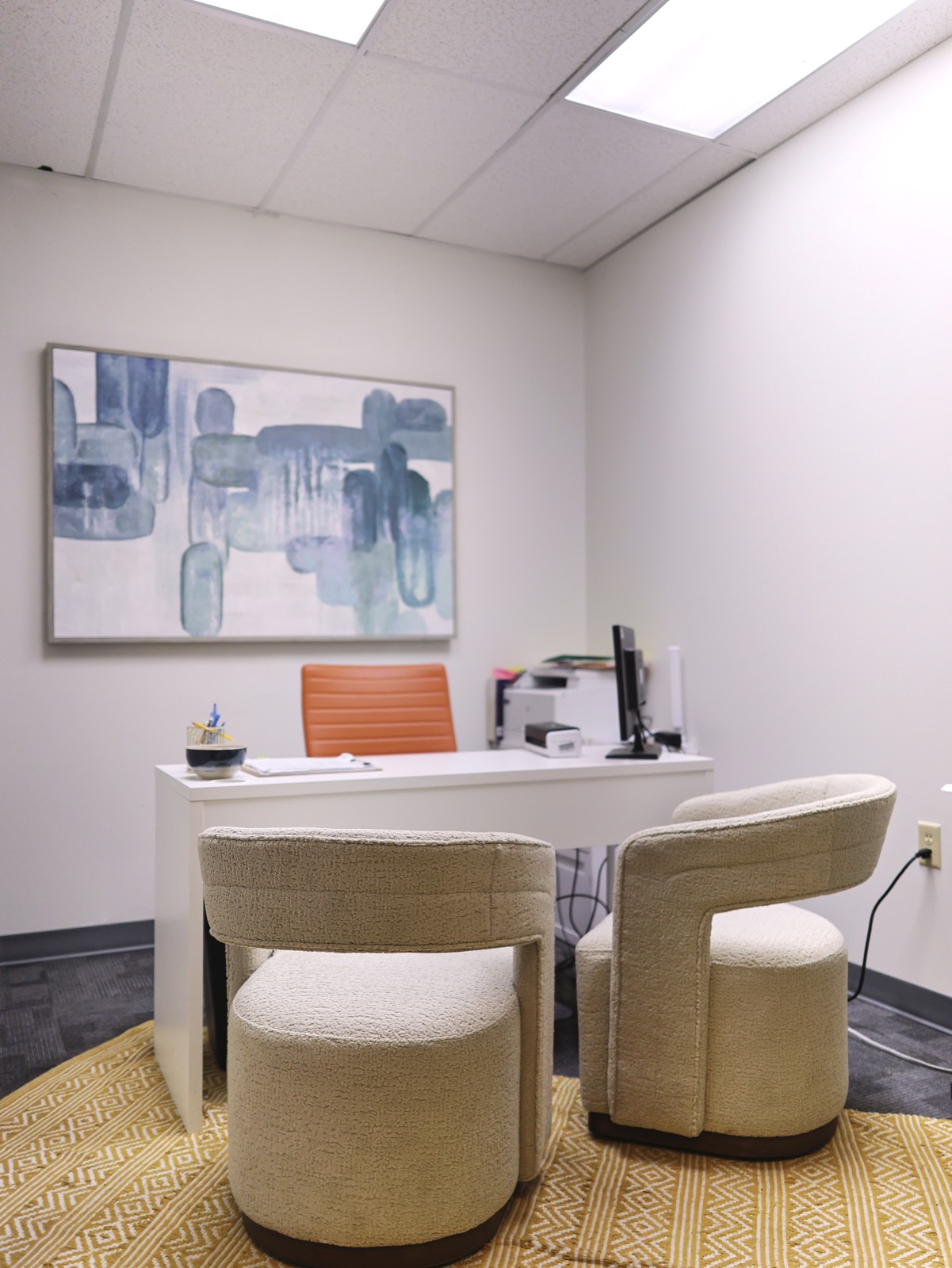
The clinical approach to marijuana addiction
Behavioral therapy is the primary evidence base for cannabis use disorder. Cognitive behavioral therapy, motivational enhancement therapy, and contingency management principles carry the clinical weight. Small-group work on trigger patterns and sleep restoration during withdrawal are common. When co-occurring anxiety, depression, or psychosis-spectrum symptoms are present — which is common with high-potency cannabis use — they are treated in parallel.
- 01
Assessment
A licensed clinician evaluates severity, other substances involved, mental health, and medical picture. Level of care follows the clinical need — not a marketing script.
- 02
Medical stabilization (when needed)
If withdrawal is severe or medically risky, medical detox comes first. Not every substance requires it.
- 03
Behavioral therapy
Cognitive behavioral therapy, motivational interviewing, and group work carry most of the clinical weight. These are evidence-based and appear in every quality program.
- 04
Medication when indicated
Some substances have FDA-approved medications that reduce cravings or stabilize brain chemistry. For others, medication treats co-occurring depression, anxiety, or ADHD.
- 05
Mental health care
Depression, anxiety, PTSD, and trauma travel with substance use often enough that dual diagnosis care is standard in modern programs.
- 06
Relapse prevention
Identify triggers, rehearse responses, build a life that doesn’t depend on the substance. This is the work that carries recovery forward.
Explore what usually rides with marijuana
Mental health
Other substances
Treatment topics
Where we treat marijuana
Three Texas cities—same clinical standard, same hours, same phone number: 469-747-1201.
How to get started
Four steps, and a real person with you at every one.
- 01
Confidential assessment
A licensed clinician learns your history and recommends the honest level of care.
- 02
Insurance verified for you
We confirm your benefits and explain coverage before you commit.
- 03
Your program & level of care
A structured treatment plan matched to what the assessment finds — therapy, psychiatric support, and medication when it helps.
- 04
Build skills that last
Relapse prevention and step-down planning so progress holds after treatment.
Real People. Real Healing. Real Results.

“Real Deal is without a doubt the most structured and therapeutic rehab program I have ever attended. It has brought me to one year in sobriety and I don't know what I would have done had I not participated in the program. I highly recommend Real Deal to anyone struggling with alcohol and/or drugs. It's amazing. Just try it and you will see for yourself!”
“Realdeal wellness and therapy will always have a special place in my heart for all the opportunities and care they've provided. They helped pave the way for me to achieve sobriety and build a better life for myself and when I needed them the most they were there in a heartbeat. Extremely grateful for their services and the environment they provide for recovery.”
“Real deal is a truly rare place that has instrumental in my rehabilitation. The staff truly cares deeply about you and wants you to succeed. Also Real Deal is one of not many outpatient rehab places that takes primary mental health cases. Highly recommend this place and thank you to everyone who helped me.”
“I love all of these guys. These guys made me feel better. They made me think better. I don't feel those ways anymore. Before I came here, I was certain I wouldn't be alive for much longer. These guys fixed that.”
“The Real Deal is an incredible program that prioritizes accessibility more than almost any other PHP, IOP, and Housing program. With housing fees at lower price point than a majority of sober livings, the option to have your pet with you, and a supportive recovery community, they really do try to eliminate barriers to care as much as possible.”
“Real Deal is different then the others. It offers flexible support for recovery, allowing you to live at home while attending therapy and counseling sessions. It's designed to fit your schedule and provides tools to maintain sobriety and prevent relapse. The focus on mental health is a great way to get to the root of what's gone wrong time and time again. Cannot recommend enough!”
“Real Deal is full of people who are passionate in helping others obtain and maintain their sobriety. They are always willing to lend a helping hand without judgement. They also have employees with real world experience using their own experiences to help others heal.”
Marijuana questions
Straight, informational answers.
Yes. Cannabis use disorder is formally recognized. About 10% of adults who use cannabis develop dependence; that rate is higher for daily users of high-potency products.
THC concentration has risen dramatically. Cannabis flower in the 1990s averaged around 4% THC; today’s flower averages 15–25%, and concentrates run 60–90%+.
That's a personal decision. Clinical treatment focuses on getting the compulsive pattern under control; long-term use decisions are the individual’s to make.
Different conversation. When a prescriber recommends cannabis for a specific condition and it’s working, that’s not addiction. When any medication (including cannabis) becomes compulsive and unmanageable, it’s worth addressing.
Talk to admissions about marijuana treatment.
An admissions rep in recovery follows up privately — usually same day. Free insurance verification takes about 15 minutes.